

This post may contain affiliate links. Please read our disclosure policy. As an Amazon Associate, I earn from qualifying purchases.
This lemon curd is rich, smooth, and full of lemon flavor without that eggy taste that can sneak into some recipes. Using only egg yolks gives it a deeper richness and a more velvety texture than recipes made with whole eggs.
Butter rounds it out, while fresh lemon juice and zest keep the flavor bright and sharp enough to taste like lemon curd should. Once it chills, it turns into a thick, spoonable spread that works for everything from toast to cake filling.
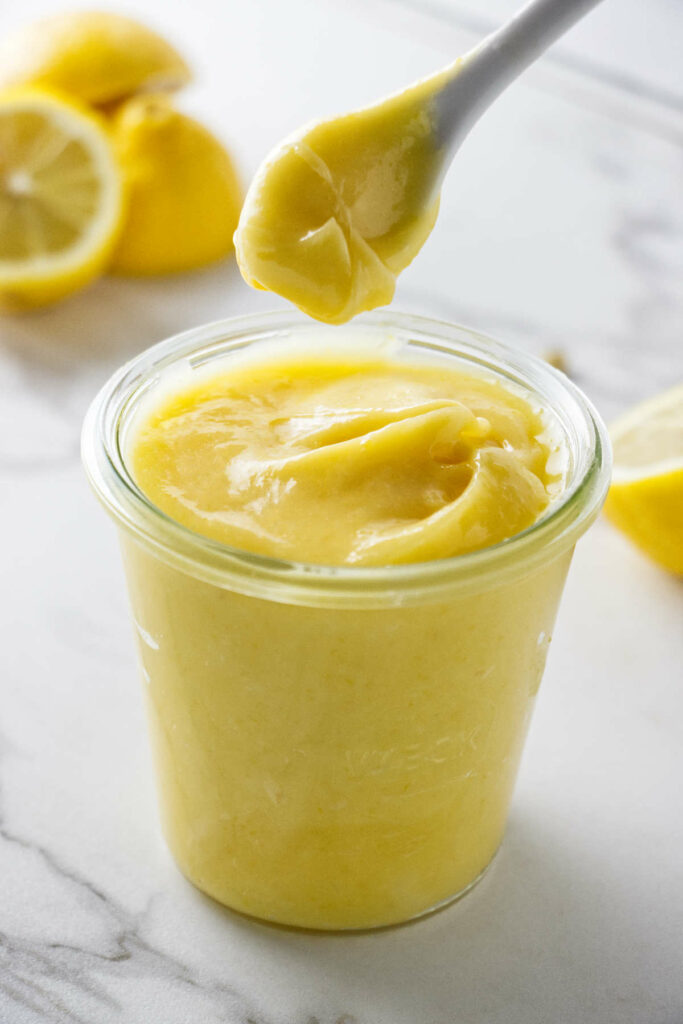
If you’re in the mood for more lemon desserts, these lemon bars are another favorite.
Why This Lemon Curd Recipe Works
Made with egg yolks only: Using only egg yolks gives the curd a richer texture and lets the lemon flavor come through more clearly, without the eggy flavor that can compete with the lemon in some recipes.
Butter adds richness and body: The butter smooths everything out and helps create that thick, glossy texture.
Cooked gently: Low heat helps the curd thicken smoothly without turning lumpy or curdled.
Strained at the end: Running the finished curd through a strainer catches the zest and any little bits, so the final texture stays smooth.
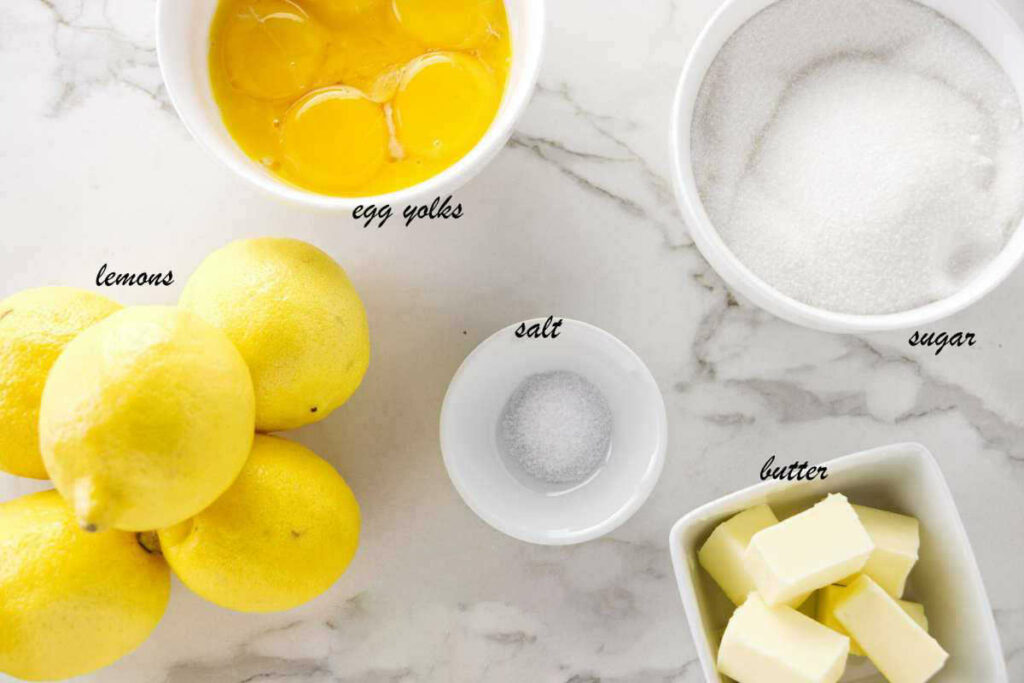
Recipe Tips
Start with softened butter: It blends more easily with the yolks and sugar, which helps the mixture cook more evenly.
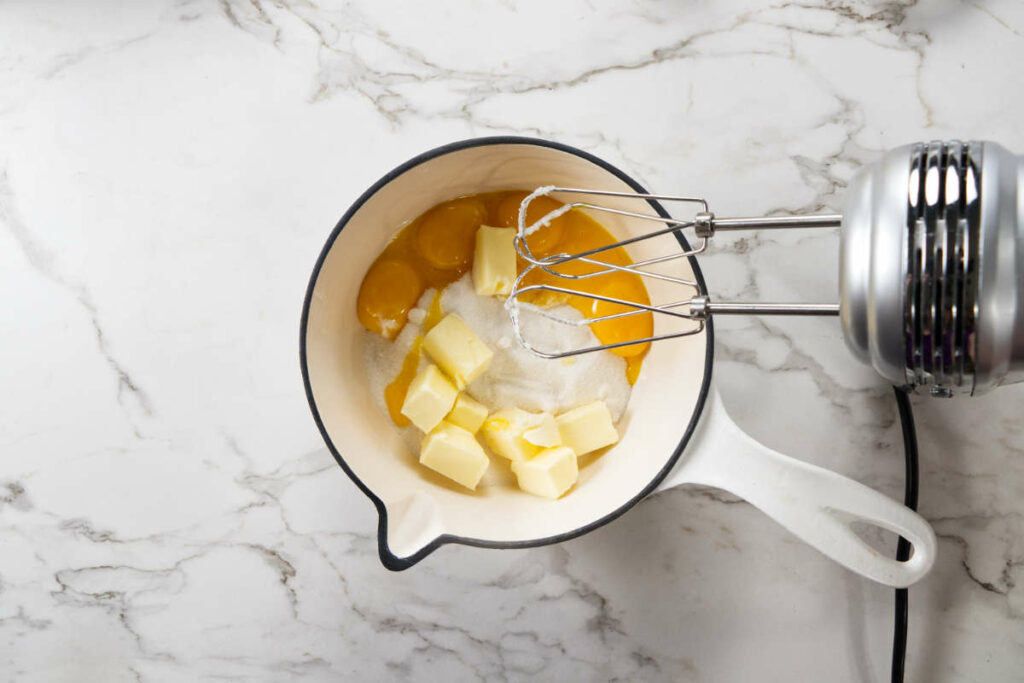
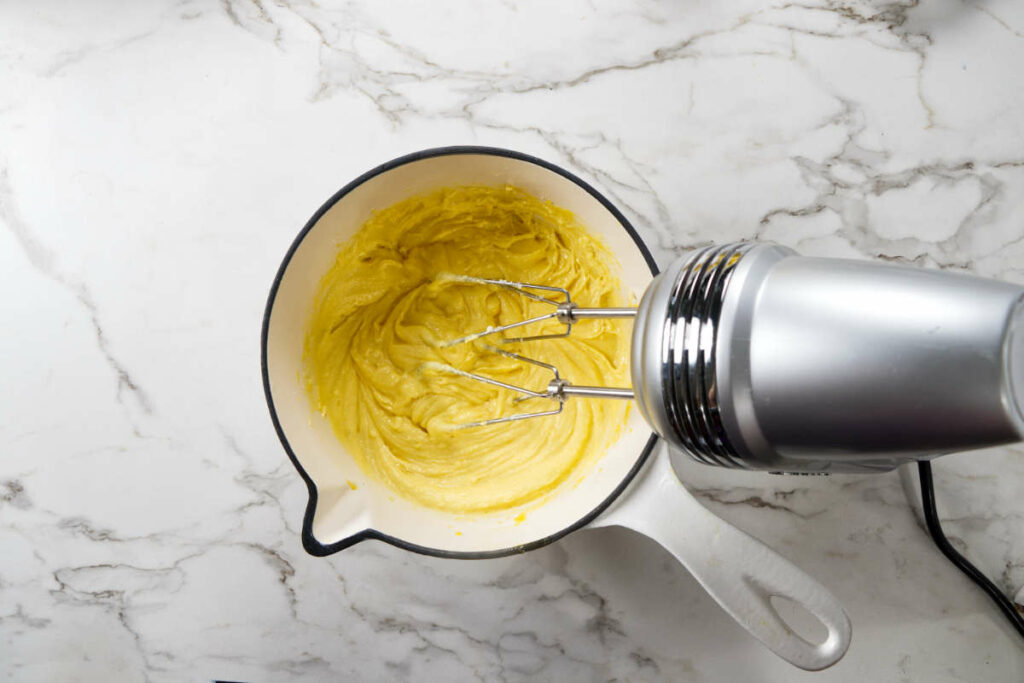
Combine first: Beating the yolks with the butter and sugar first reduces the chance of curdling when you add the lemon juice.
Keep the heat low: Don’t rush it. Gentle heat gives the curd time to thicken without scrambling the eggs. If the mixture starts to bubble or boil, pull it off the heat for a minute, then return it at a lower temperature. Boiling can turn the texture grainy.
Stir the whole time: Constant stirring keeps hot spots from forming and helps the curd cook smoothly.
Use a non-reactive saucepan: A stainless steel, enamel-coated, or other non-reactive pan is the best choice. Aluminum and copper can react with the lemon juice and give the curd a metallic taste or dull color.
How to Tell When Lemon Curd Is Done
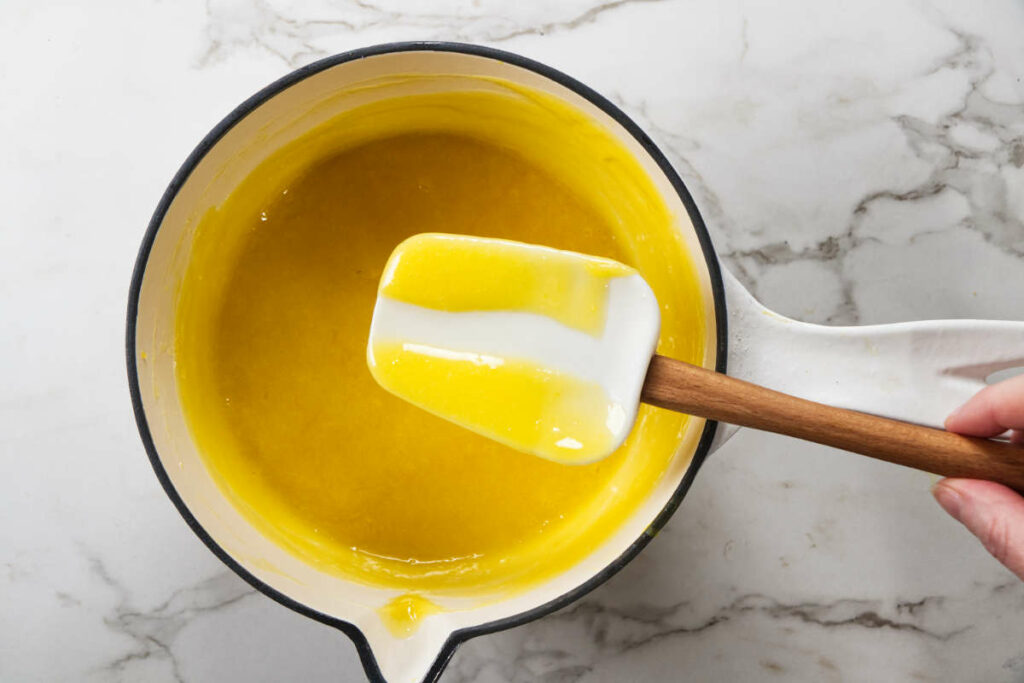
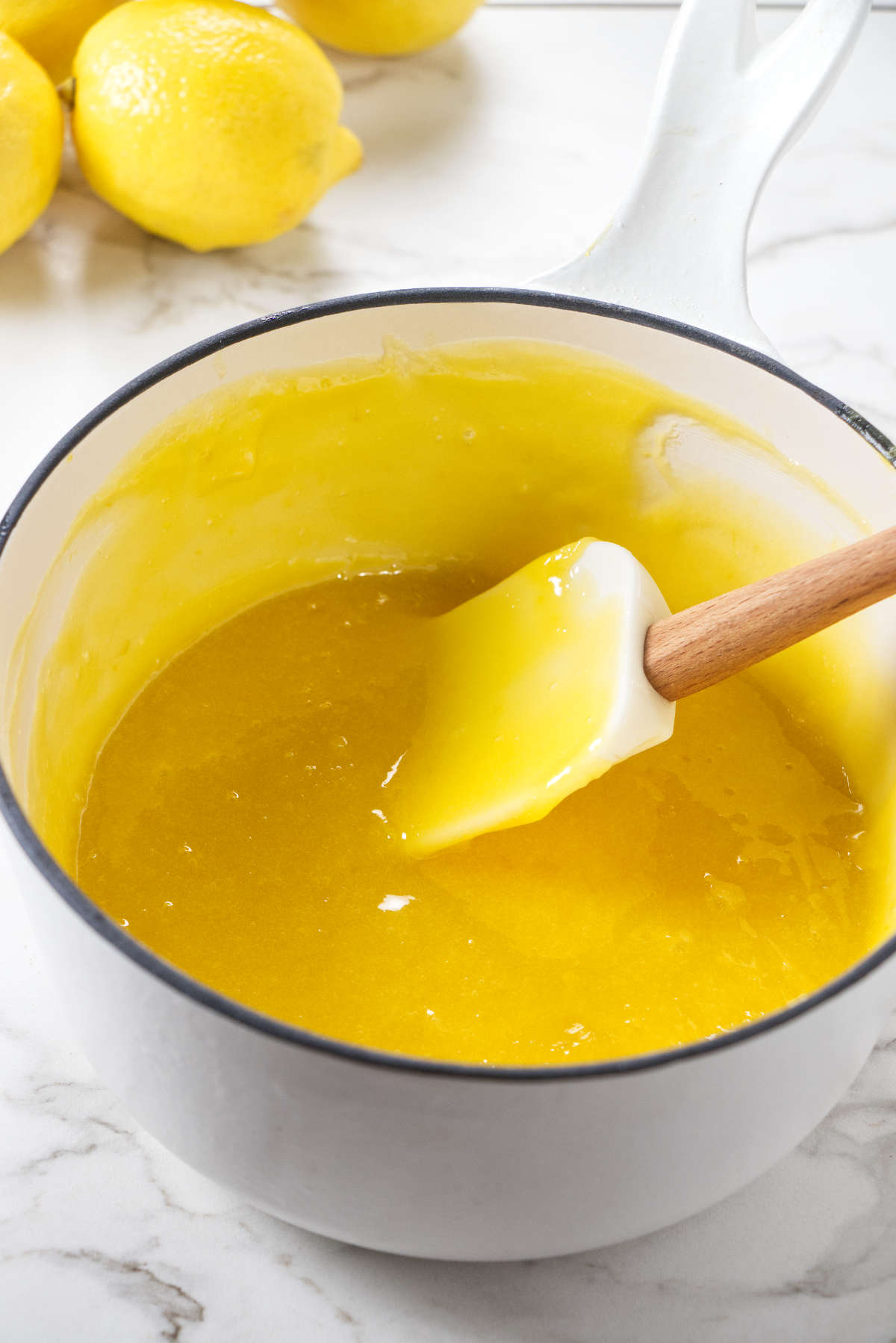
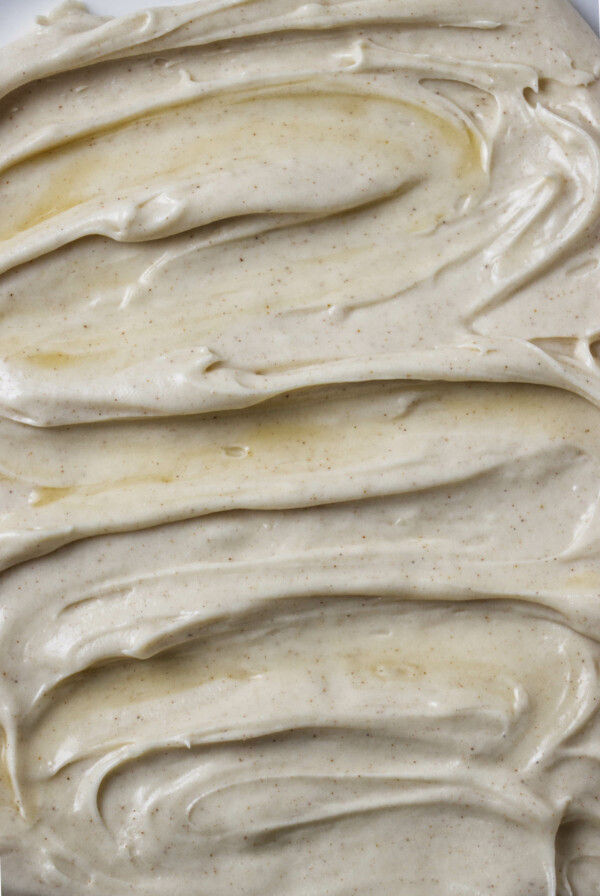
Lemon curd thickens gradually, so don’t expect a dramatic change all at once. It’s ready when it coats the back of a spoon or spatula and holds a clean line when you run your finger through it.
It should look glossy and smooth, not foamy or separated. If it’s still thin and runs off the spoon without leaving a coating, give it a few more minutes over low heat.
Don’t worry if it seems a little loose when you take it off the stove. Lemon curd thickens more as it cools, so it will set up to the right consistency after chilling.
Have Extra Egg Yolks?
This lemon curd is a great way to use up extra egg yolks, especially after making recipes like:
How to Use Lemon Curd
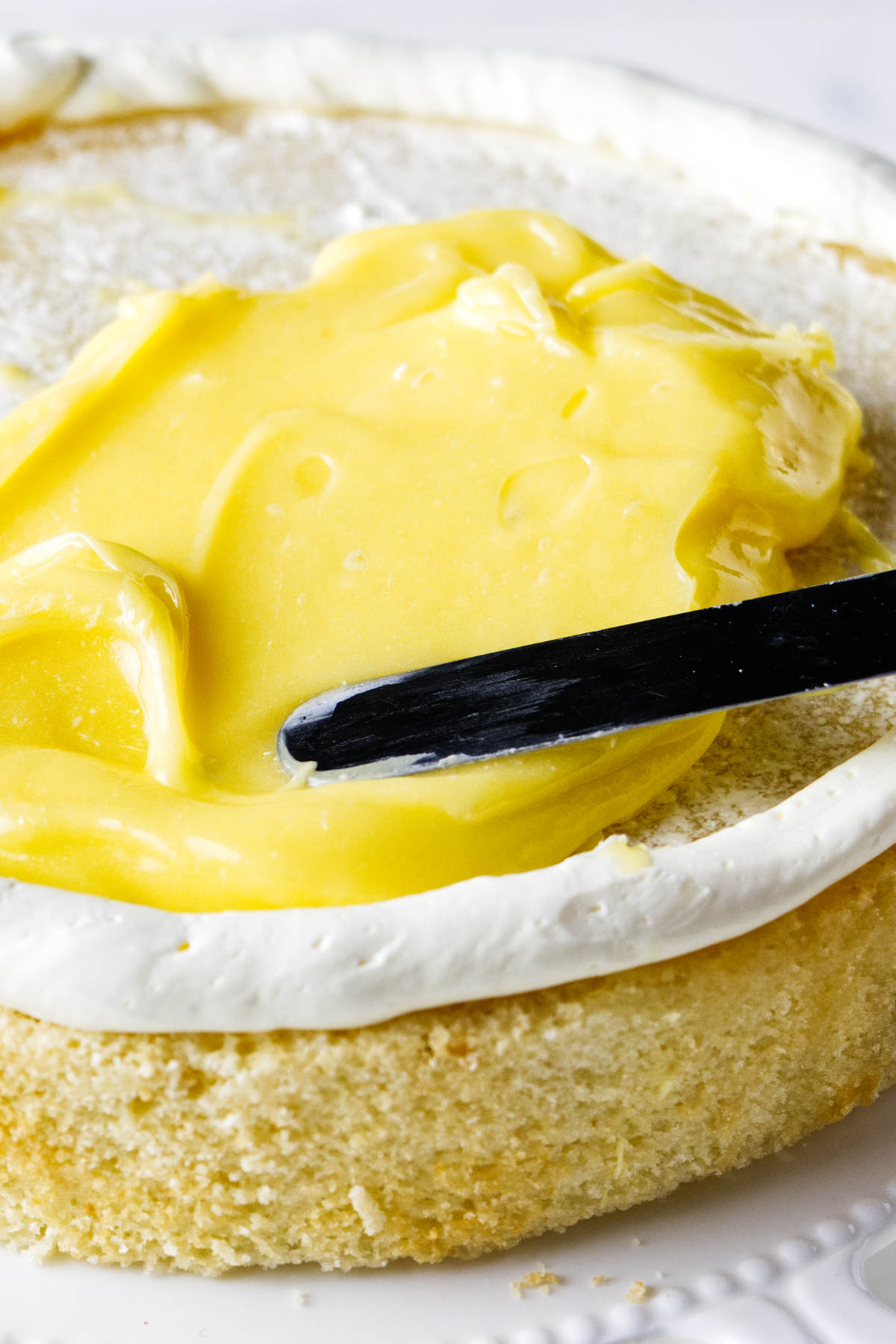
Lemon curd works as both a filling and a topping. Here are a few ways to use it:
- Layer it into a lemon curd cake for a bright, tangy filling
- Spread it on top of a lemon custard pie
- Add it to lemon cheesecake bars for extra flavor
- Spread it over lemon poppy seed scones
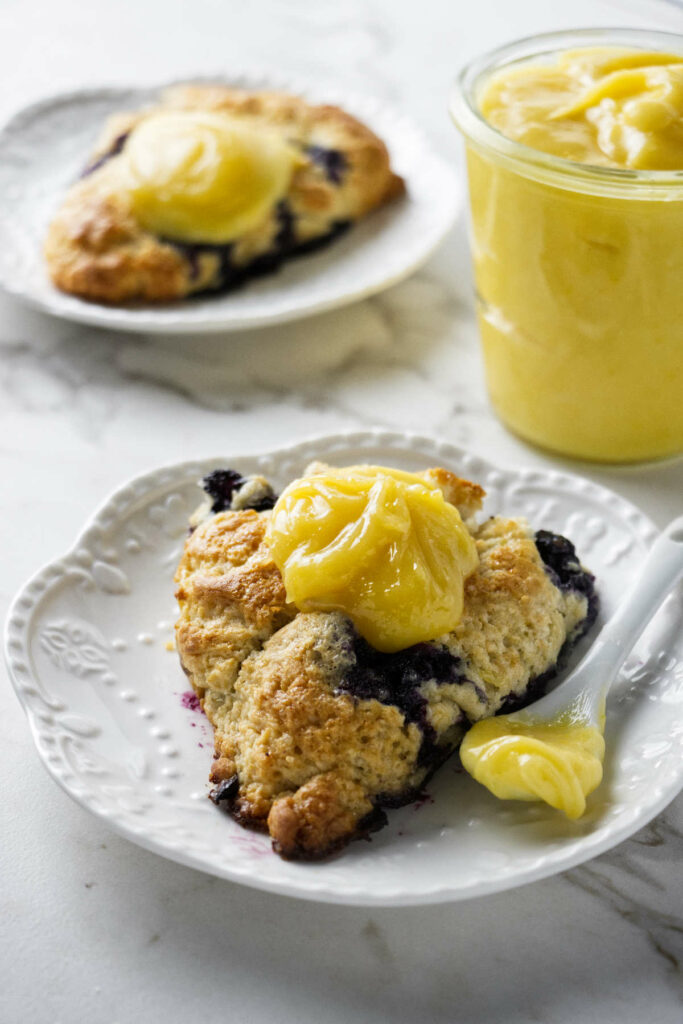
If you are looking for more ways to use up egg yolks, try making our egg yolk cookies.
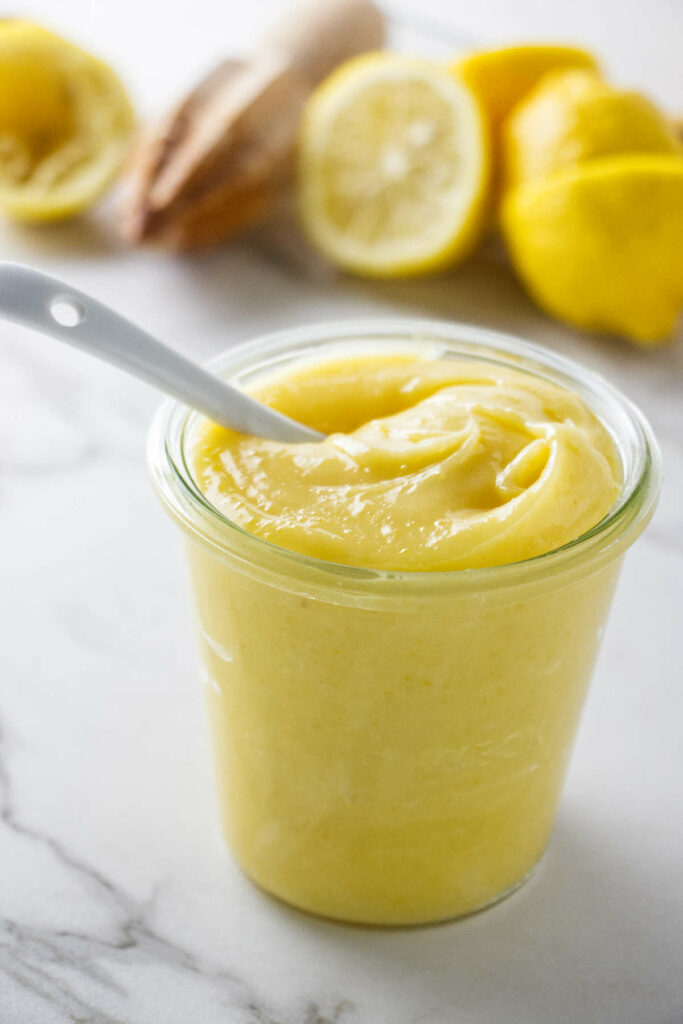
Lemon Curd with Egg Yolks
This lemon curd keeps things simple, but the method makes all the difference. The egg yolks make it rich, the lemon keeps it bright, and the butter gives it a smooth finish. It’s the kind of recipe that is easy to keep on hand for spreading on biscuits, filling a tart, or eating straight from the jar.
Pin this now to find it later!
Pin It
Egg Yolk Lemon Curd
If you make this recipe, please leave a star rating and comment.
Ingredients
- 5 egg yolks, 93 grams
- ¾ cup granulated sugar, 150 grams
- 6 tablespoons butter, softened (85 grams)
- ½ cup fresh lemon juice, 125 grams
- zest from 1 lemon
- ⅛ teaspoon salt
Instructions
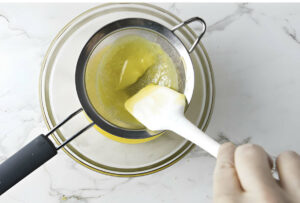
- Set a strainer over a bowl and keep it readily available near the stove.
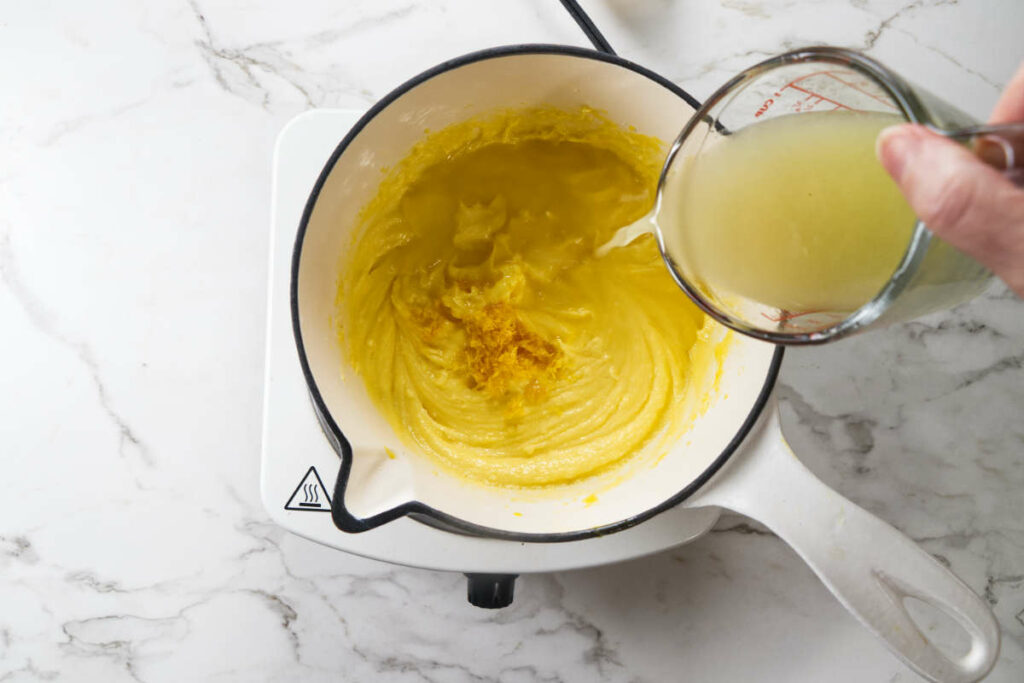
- In a heavy non-reactive saucepan, beat the egg yolks, sugar, and butter until well blended (beating the egg yolks into the butter and sugar will help prevent the eggs from curdling and clumping).
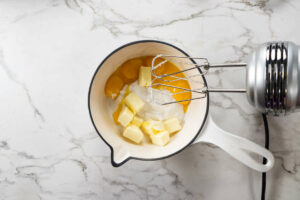
- Stir in the lemon juice, zest, and salt. Cook over medium-low heat, stirring constantly, for 10 to 12 minutes, until the curd thickens and turns glossy. Keep the heat gentle and try not to let it boil. If it starts to bubble, pull it off the heat for a minute, then return it to a lower temperature. The curd is ready when it coats the back of a spoon or spatula and leaves a clear trail when you run your finger through it.
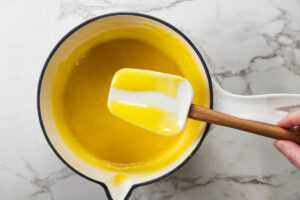
- Pour it into the strainer and press it with the back of a spoon. Discard the lemon zest and any lumps that are left behind in the strainer.
- Place in the refrigerator to chill. The lemon curd will thicken more once it has chilled completely.
Notes
Nutrition
Nutrition information is automatically calculated, so should only be used as an approximation.
 Like this recipe? Rate & comment below!











Fantastic. Easy too. Didn’t have quite enough lemon juice, so added a little passion fruit nectar. Did not taste the passion fruit, but made the whole thing pop with sour lemony goodness. I think I’ll keep that addition. Oh so lemony good.
Love that tweak. Passion fruit nectar is such a smart save when you’re short on lemon juice. Thanks for sharing.
Lemon curd has a distinctively eggy taste to me. Somebody told me once that it’s the egg whites that cause this. i notice your recipe calls for yolks only. Can you comment on this?
Thanks for the question. Yes, using whole eggs in lemon curd can give it a slightly eggy flavor due to the sulfur compounds in egg whites. Recipes with only yolks will create a richer, creamier curd with a more vibrant lemon flavor. If you give the recipe a try I would love to hear your feedback.
I want to use this recipe for a cake filling. You say cornstarch is an optional ingredient to thicken it for cakes, but then you never say how much to use or how and when yo add it. Can you please explain and give more details? Thanks
Sorry about that, I updated the notes. If you want to use cornstarch, stir 1 tablespoon into the sugar before you add the rest of the ingredients. Distributing it into the dry sugar will prevent clumping. Thanks for the question.
Hi there,
Thanks for this delicious looking recipe. I’m going to make it this weekend to fill a Lavender cake. Forgive the “dumb question” but, does it make a difference if I beat the yolks with melted the butter or should it be softened?
Thanks!
Thanks for this question, I updated the recipe to say “softened” butter. That will work best. Your going to LOVE this with your lavender cake, it makes a terrific combination!
Is it possible to convert this recipe into a drip icing to use over a lavender and honey wedding cake?
Tiffany that sounds like an amazing flavor combination!! I have not tried it but I don’t see why you couldn’t thin the curd out with a little water or lemon juice. I would just start with a small amount and add the liquid until you get the consistency you want. I would love to see a picture of your wedding cake when you are finished.
Hello. I would like to know how to properly store this one and how long is its shelf life. Thanks.
Hi Jona, you can store this in a sealed container in the refrigerator for 3 weeks or you can freeze it for 6 months.