

This post may contain affiliate links. Please read our disclosure policy. As an Amazon Associate, I earn from qualifying purchases.
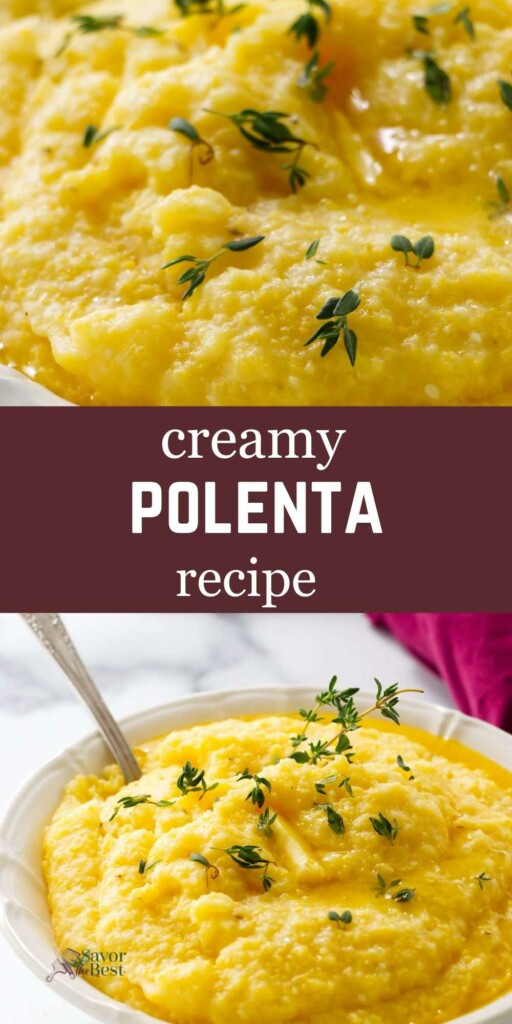
This creamy polenta recipe is one of those simple side dishes that works with almost anything saucy. It cooks low and slow on the stovetop until the cornmeal turns soft, smooth, and spoonable, then gets finished with butter and Parmesan for a rich, creamy flavor.
It’s cozy, flexible, and much better than instant polenta, with real corn flavor and a texture that can be served soft now or chilled and fried later.
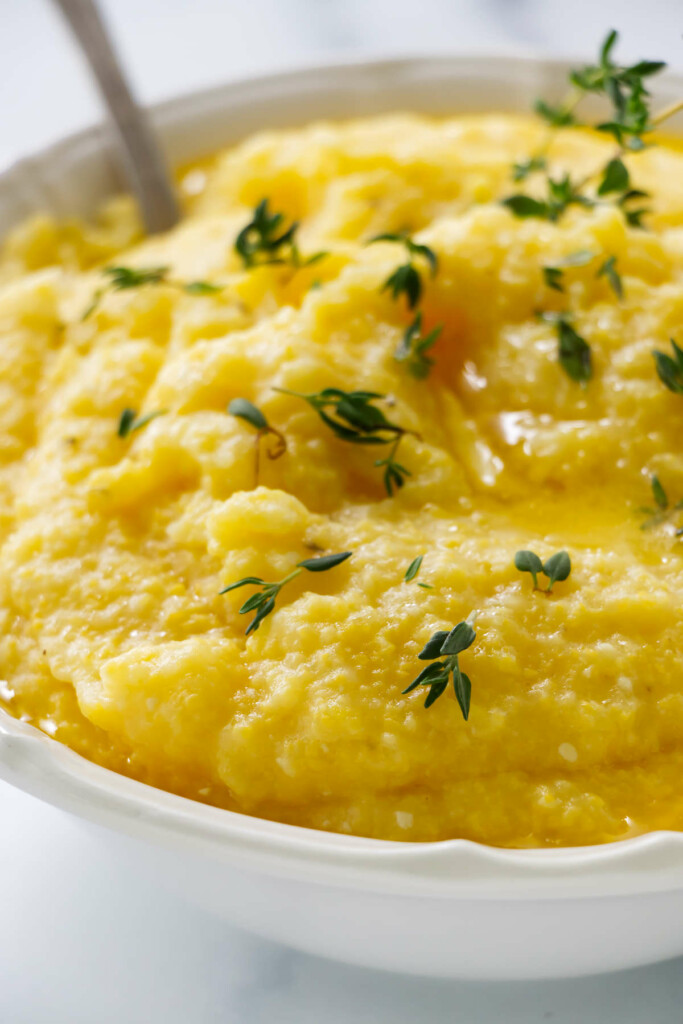
This is the kind of side dish that knows how to pull its weight and it is perfect alongside roasted veggies or slow braised meat like my chipotle short ribs.
Here is Why This Easy Polenta Recipe Works
I love an easy recipe that pulls its weight, and polenta does exactly that. You only need a saucepan, whisk, and spoon, and the texture comes from low heat and steady cooking, not anything complicated.
The texture comes from giving the cornmeal time to hydrate, not from using instant polenta or loading it with cream. Low heat and occasional stirring give you a smooth, spoonable polenta with real body.
A little butter and Parmesan at the end add richness without making it heavy. You can also stir in herbs, roasted garlic, or a splash of cream if you want to dress it up.
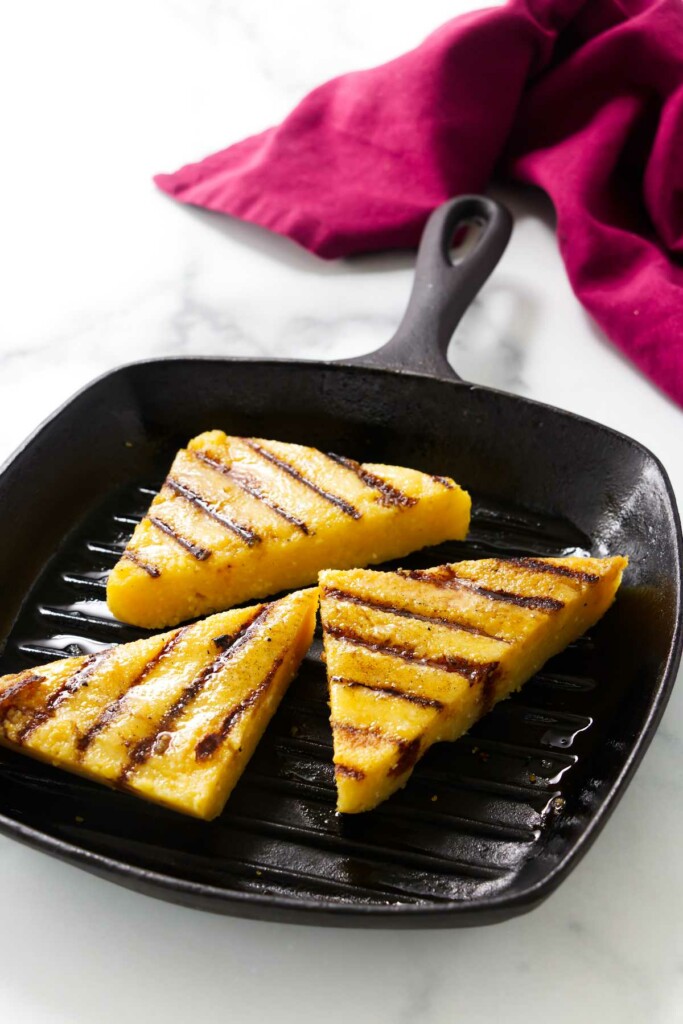
It works well under braised meat, roasted vegetables, mushroom sauce, marinara, or even a fried egg. And the leftovers are actually useful: chill the extra polenta, slice it, and pan-fry it until the edges are crisp.
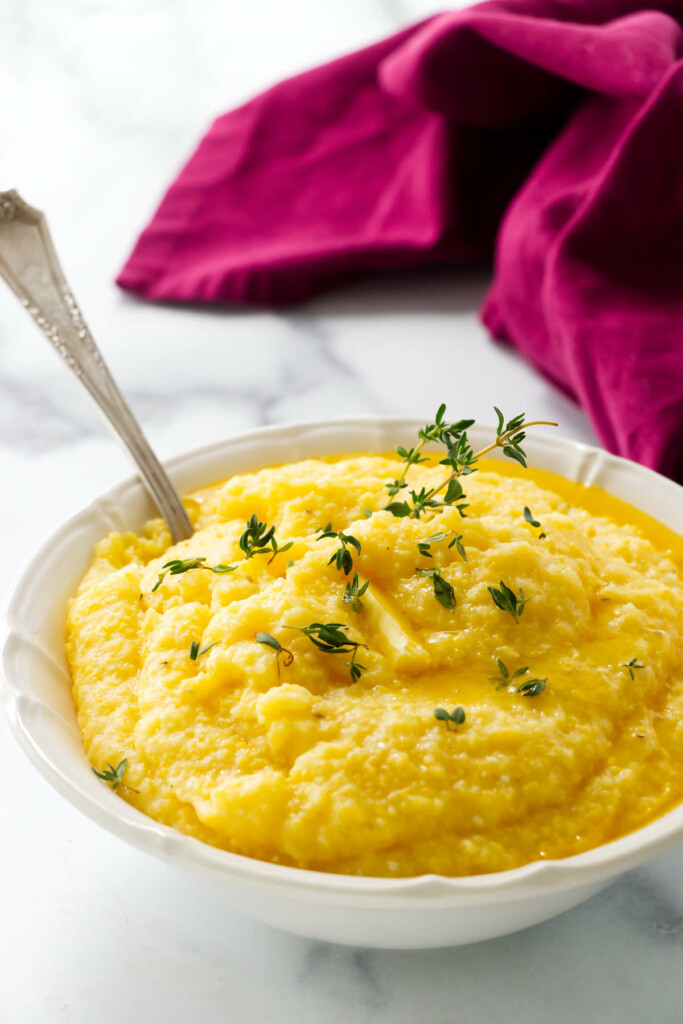
Choosing the Right Cornmeal
Polenta is made from ground cornmeal, but the grind makes a big difference in the final texture.
Stone-ground cornmeal gives you the best flavor and a slightly rustic texture. It usually takes longer to cook, but the flavor is worth it.
Coarse-ground cornmeal also works well for polenta. It gives the dish structure and a hearty texture without turning pasty.
Medium-ground cornmeal makes a smoother, creamier polenta and usually cooks a bit faster than coarse or stone-ground.
Fine-ground or instant cornmeal is not ideal for this recipe. It cooks quickly, but the texture can turn thick, pasty, and gluey. And we are not doing all this just to end up with corn-flavored wallpaper paste.
Look for bags labeled “polenta” or “coarse-ground cornmeal.” They are often used interchangeably.
Recipe Tips
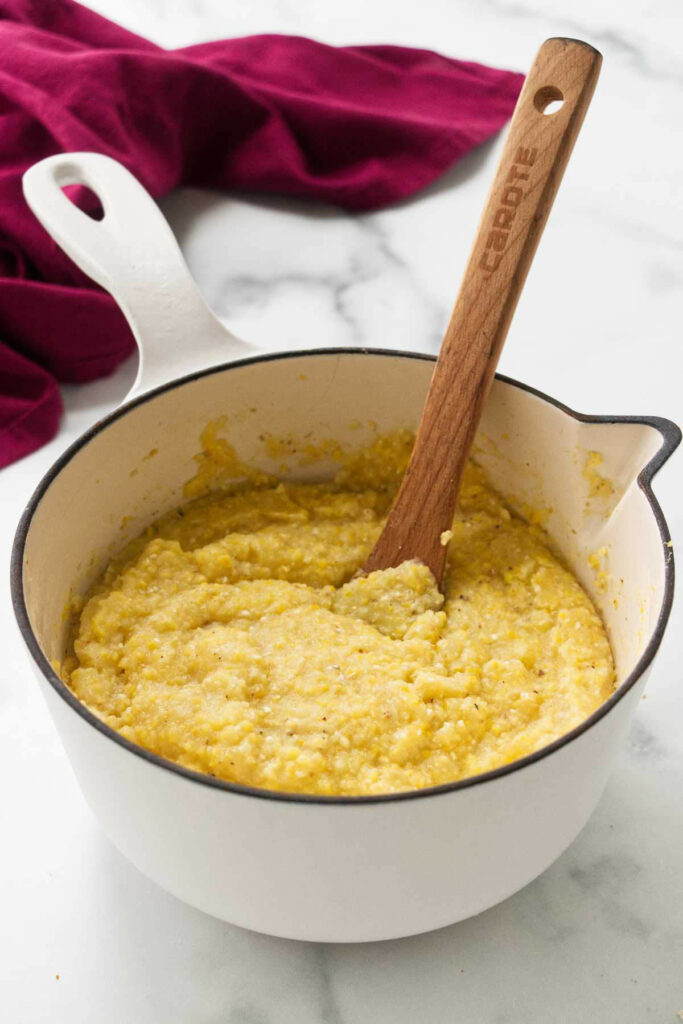
Whisk it in slowly: Pour the cornmeal into the simmering liquid in a thin, steady stream while whisking constantly. Dumping it all in at once is the fastest route to lumps.
Use the right ratio: Four cups of liquid to one cup of cornmeal (4:1) gives you a creamy, spoonable polenta. For a richness, replace one cup of water with milk. For more savory flavor, use chicken broth for the liquid.
Keep the heat low: Once the cornmeal is added, lower the heat and let it cook gently. High heat can make the polenta stick, scorch, or cook unevenly.
You do not have to stir constantly: Stir often during the first few minutes while the cornmeal thickens. After that, stir every 5 to 10 minutes, scraping the bottom and sides of the pot.
Finish off the heat: Stir in butter and Parmesan after removing the pan from the heat. This helps keep the texture smooth and glossy instead of greasy.
Storing Leftovers
Refrigerate: Let the polenta cool completely, then transfer it to an airtight container. It’ll keep in the fridge for up to 4 days.
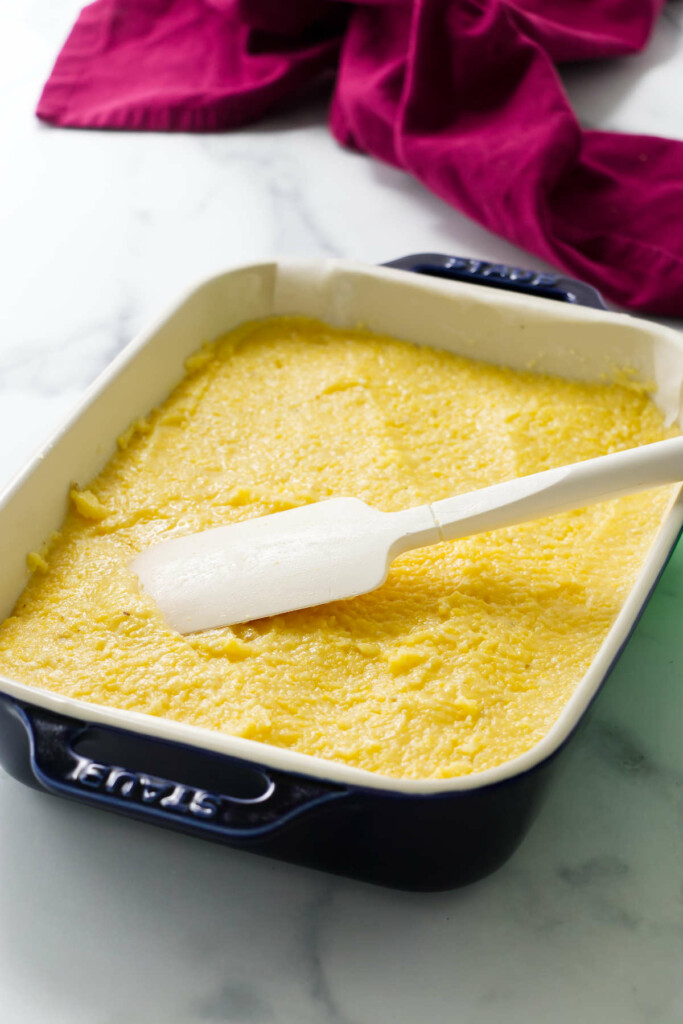
Freeze: For longer storage, spread the cooled polenta in a parchment-lined dish, chill until firm, then cut it into squares or slices. Freeze in a single layer on a baking sheet, then transfer to a freezer bag or container. It’ll last about 3 months.
To Reheat: Add a splash of water, milk, or broth and warm it in a saucepan over low heat, stirring until smooth again. You can also microwave it in short bursts, stirring in between.
Helpful Answers to Questions
A 4:1 ratio works well for creamy polenta. Use 4 cups of liquid for every 1 cup of cornmeal. You can use all water, or replace part of the water with milk or broth for more flavor.
Lumps usually happen when the cornmeal is added too quickly. Pour it in slowly while whisking the whole time. If lumps form, keep the heat low and whisk firmly. An immersion blender can help smooth out stubborn lumps.
Yes. Cook the polenta, cool it, and refrigerate it for up to 4 days. Reheat it gently with a splash of water, milk, or broth until it turns creamy again.
Polenta thickens as it cools. If it gets too thick, stir in a little warm water, broth, or milk over low heat until it loosens back up.
Creamy Polenta
Creamy polenta works anywhere you would use mashed potatoes, rice, or pasta as a base for something saucy.
Serve it with slow-braised meats like short ribs, lamb stew or braised pork shanks. It also works well with coq au vin and my white wine mushroom sauce.
For a lighter meal, top it with roasted vegetables or a fried egg with extra Parmesan. Polenta may be simple, but it turns saucy mains and roasted vegetables into a proper meal.
Pin this now to find it later!
Pin It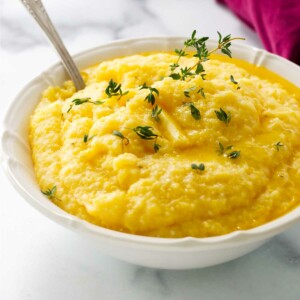
Creamy Stovetop Polenta
If you make this recipe, please leave a star rating and comment.
Ingredients
- 4 cups water, or chicken broth
- 1 teaspoon salt
- 1 cup yellow cornmeal, (polenta style)
- 2 tablespoons butter
- ½ cup grated Parmesan cheese, optional
Instructions
- In a medium saucepan over medium-high heat, bring the water and salt to a boil.
- While whisking constantly, slowly pour in the polenta.
- Reduce the heat to medium-low and cook, stirring occasionally, until the mixture thickens and the polenta pulls away from the sides of the pan, about 25–30 minutes.
- Remove from the heat and stir in the butter. If using, stir in the grated Parmesan until melted and combined.
- Spoon the polenta into a serving dish. Garnish with fresh herbs and an extra sprinkle of Parmesan, if desired.
- For grilled or pan-fried polenta: Spread the hot polenta into a greased or parchment-lined baking dish, smoothing the top. Let it cool, then cover and refrigerate until firm, at least 2 hours or overnight. Once chilled, slice into squares or strips and grill or pan-fry in a bit of oil until golden and crisp on both sides.
Notes
Nutrition
Nutrition information is automatically calculated, so should only be used as an approximation.
 Like this recipe? Rate & comment below!
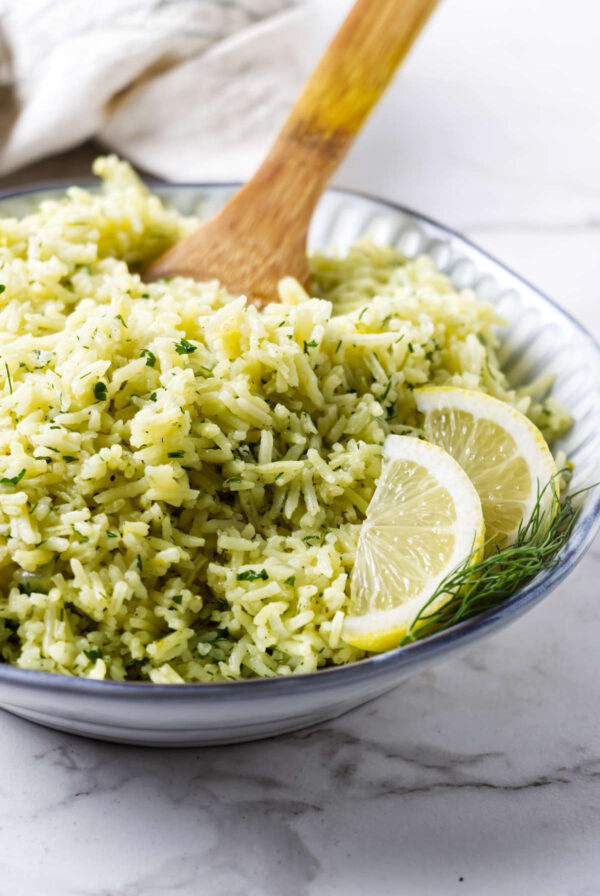










It was delicious and came together very quickly. The only change I made was to use homemade chicken broth instead of water. I served it topped with roasted tomatoes and eggplant and sprinkled it with a bit of feta. Thank you!
That sounds amazing. I’m so glad you enjoyed it! Thanks for the comment.