

This post may contain affiliate links. Please read our disclosure policy. As an Amazon Associate, I earn from qualifying purchases.
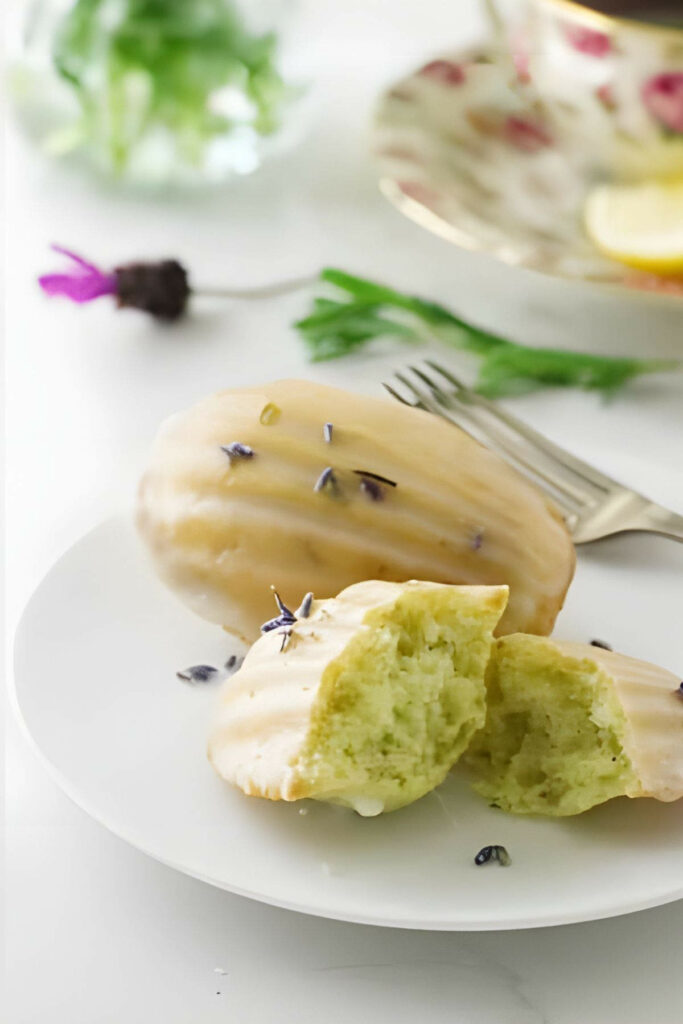
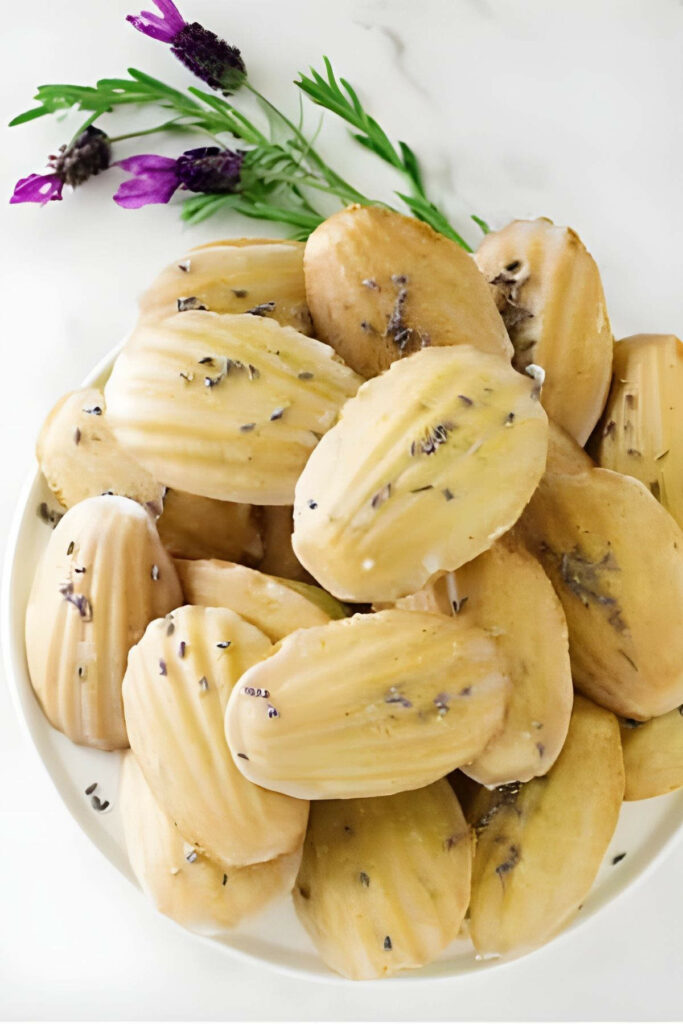
Lavender madeleines have a soft, buttery crumb with a gentle floral flavor and just enough lemon to keep them bright. The glaze adds a light lavender finish without turning them into something that tastes like it belongs in a linen drawer.
They are the kind of little cake I like for tea trays and spring brunches because they feel special without being fussy. They also make a pretty contrast next to classic madeleine cookies when you want a few flavors on the same platter.
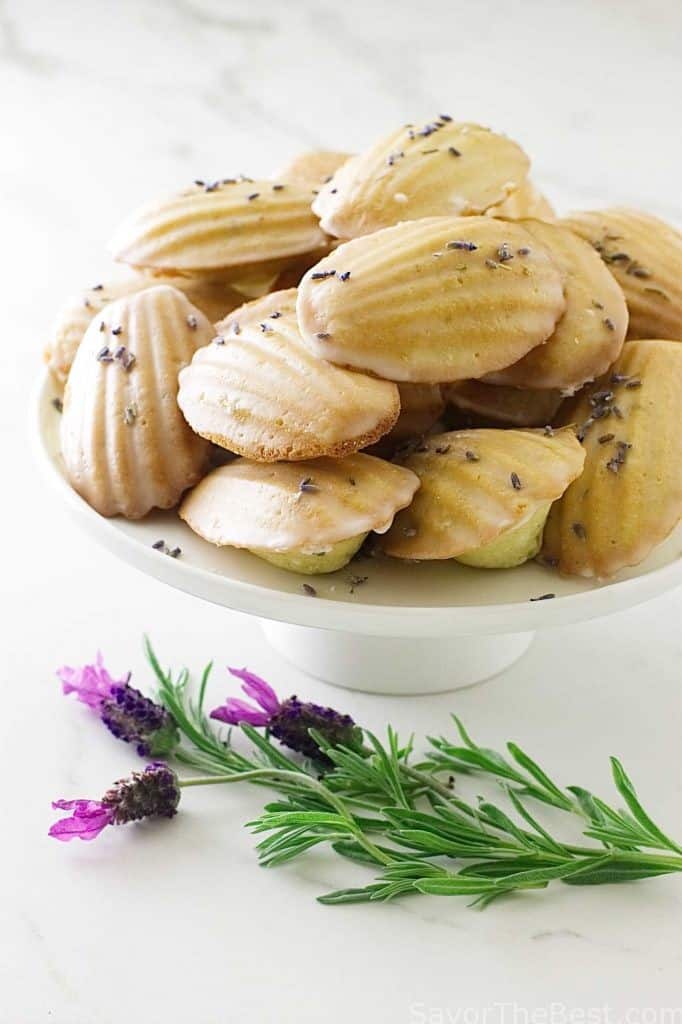
Why These Lavender Madeleines Work
I use culinary lavender buds in the batter for a soft floral flavor that blends into the butter and lemon.
A little lemon zest keeps the lavender from tasting flat. It brightens the batter without turning these into lemon madeleines.
Lavender oil gives the glaze more control. You can add just a few drops at a time until the flavor is where you want it.
Chilling the batter helps with the shape. That cold batter going into a hot oven helps create the classic madeleine hump.
The glaze makes them feel finished without adding much extra work.
Key Ingredients
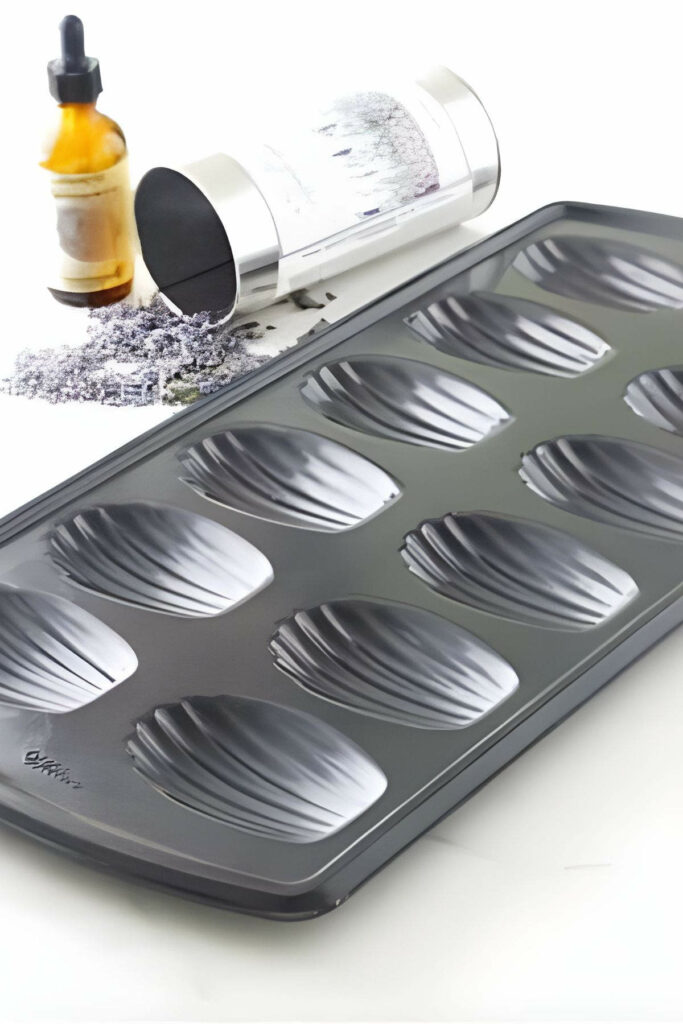
Culinary lavender buds: Use dried culinary lavender, not decorative lavender. Grind the buds finely so they blend into the batter instead of leaving chewy little bits behind.
Culinary lavender oil: Lavender oil is strong, so start with the smaller amount and taste before adding more. A few drops can be lovely. A few too many can make dessert feel like bath products got involved.
Lemon zest: Lemon helps balance the floral flavor and keeps the madeleines tasting fresh.
Butter: Use unsalted butter, melted and cooled to room temperature before folding it into the batter.
Eggs: Room-temperature eggs whip up better and help create a lighter texture.
Powdered sugar: Sift it first so the glaze stays smooth.
If you don’t care for the floral lavender flavor, try my glazed lemon madeleines instead.
Recipe Tips
Chill the batter. Let the batter rest for at least 1 hour, or overnight if you can. The chill helps the madeleines bake with that classic little hump.
Do not overdo the lavender oil. Start with just a drop or two, then taste. Lavender gets loud quickly.
Grind the lavender buds finely. This gives the batter a smoother texture and spreads the flavor more evenly.
Do not spread the batter in the pan. Drop the batter into the center of each cavity and let it spread as it bakes.
Watch the bake closely. Madeleines are done when the edges are lightly golden and the centers spring back. Overbaking dries them out fast.
Turn them out right away. Do not leave the madeleines in the hot pan, or they will keep cooking.
Use a kitchen towel first. Turn the warm madeleines onto a clean kitchen towel before moving them to a rack so they do not pick up wire marks.
Your Questions, Answered
Use culinary lavender only. Decorative lavender may not be intended for eating and can taste harsh or overly perfumed.
Yes. The lavender buds will still flavor the batter, so the oil is optional. I mostly use it in the glaze for a stronger lavender finish, but start with the smallest amount and taste before adding more. Lavender oil is concentrated, and too much can overwhelm the madeleines quickly.
Chilling the batter helps madeleines bake with their signature hump. The cold batter hits the hot oven, the edges set first, and the center rises.
Lemon Lavender Madeleines
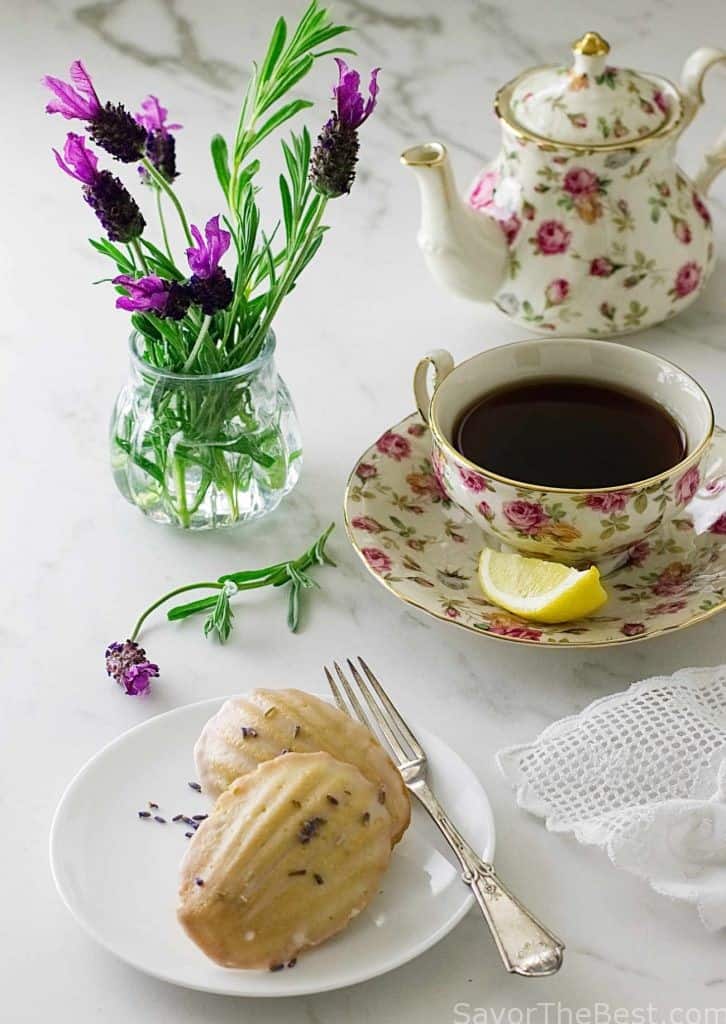
These lemony lavender madeleines are soft, buttery, and lightly floral without being fussy. The lemon keeps the flavor balanced, the glaze gives them a pretty finish, and the whole batch feels just right for tea, brunch, or a spring dessert tray.
Serve them with lavender tea or my lavender lemonade.
Pin this now to find it later!
Pin It
Lavender Madeleine Tea Cakes
If you make this recipe, please leave a star rating and comment.
Ingredients
- 10 tablespoons butter, melted and cooled to room temperature
- 1¼ cup all-purpose flour, 150 grams
- ½ teaspoon baking powder
- ¼ teaspoon salt
- 3 large eggs, room temperature
- ⅔ cup granulated sugar, 130 grams
- 1 tablespoon dried culinary lavender buds, finely ground in a spice mill
- zest from 1 lemon
- 2 to 3 drops culinary lavender oil
For the Icing
- 1 cup powdered sugar, sifted
- 4 to 5 tablespoons water
- 2 to 8 drops culinary lavender oil, adjust to taste
Instructions
- In a small saucepan, melt the butter then set aside to cool to room temperature while preparing the madeleine cookie batter.
- In a small bowl, add the flour, baking powder, and salt and whisk to combine.
- Add the eggs and sugar to the bowl of an electric mixer. Beat on high speed for 5 to 8 minutes or until thick and pale in color. Add the ground lavender buds and the lemon zest, mix until combined.
- Sift ⅓ of the flour mixture over the top of the egg mixture and gently fold it together. Repeat with the remaining flour in increments of ⅓ each time.
- Scoop out about one cup of the batter and fold into the melted butter, (this lightens the butter and will make it easier to fold into the whole batch). Then add the mixture to the batter and fold together gently. Fold in a few drops of lavender oil (add 1 to 2 drops for a light lavender favor then taste the batter to see if you want more).
- Cover the batter with plastic wrap, pressing right down onto the batter, then transfer to the refrigerator. The batter should rest for at least one hour but overnight if possible. The batter can be refrigerated for up to 3 days before baking.
When ready to bake the madeleines:
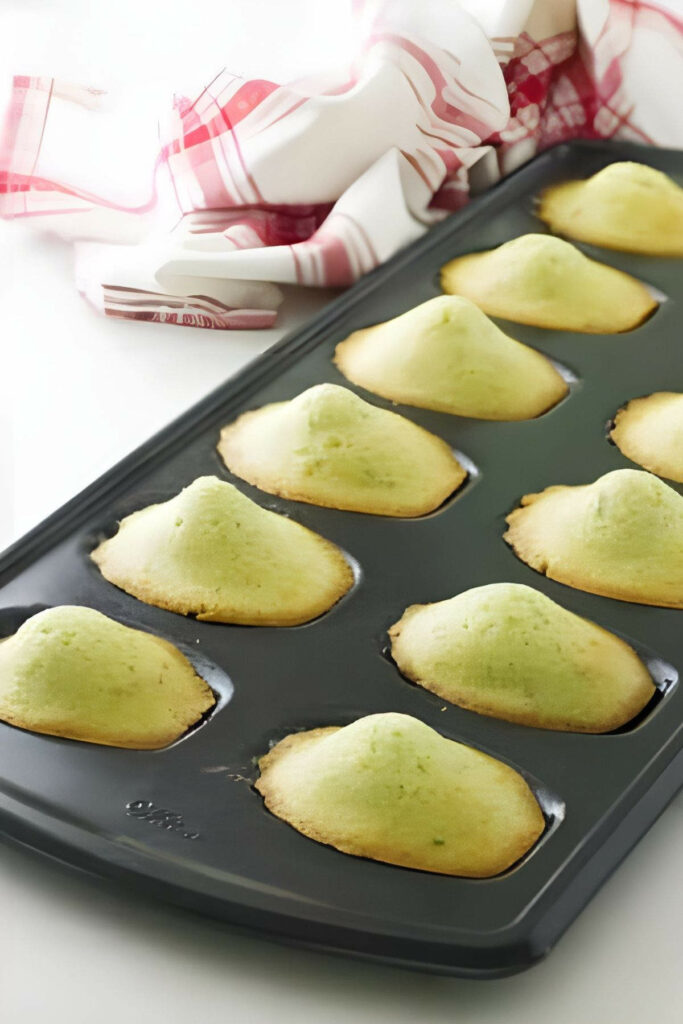
- Preheat the oven to 375°F and grease and flour the madeleine pan.
- Remove the batter from the refrigerator and using a small ice cream scoop or a tablespoon, drop a small portion about the size of a walnut into each shell-shape indentation of the pan.
- Transfer the madeleine pan to the center rack of the oven and bake for 7-8 minutes, until the edges look golden and crisp and the cakes spring back when lightly touched. If using baking powder it may take another 30 seconds to 1 minute longer. Remove from the oven and immediately flip them onto a kitchen towel then place on a wire rack to cool.
To Make the Lavender Glaze:
- Mix the confectioners’ sugar with 3 tablespoons of water. Stir until smooth and add additional water a tablespoon at a time until you have a thin mixture.
- Add several drops of lavender oil, tasting the glaze before adding additional drops. Be cautious as it is easy to over flavor.
Notes
Nutrition
Nutrition information is automatically calculated, so should only be used as an approximation.
 Like this recipe? Rate & comment below!












What can I use in place of Lavendar oil ?
Try using some lemon extract. It isn’t the same flavor as lavender but it has some similar notes.
I have a nordic ware mini tea cake and candy pan that never holds the detailed pattern of the molds so I’m thinking about trying this dough in there. I wonder if I’ll be able to get that darn thing to release! I guess there’s only one way to find out. Have you ever made this with lemon rind, extract, and fresh juice instead of the lavender extract? I’ll def keep the lavender flowers but I bet lemon will be a nice compliment.
Oh, yes. Lemon would be a great compliment to the lavender. If you struggle to get them out of your mold, try using Pam cake release spray, or you can make your own cake release with 1/2 cup Crisco vegetable shortening, 1/2 cup vegetable oil, and 1/2 cup flour. Mix that together then use a pastry brush to brush it into all the crevices of the mold.
Hi there! In the write-up it says, “We used one teaspoon of ground buds and ten drops of the lavender oil which gave a light lavender flavor to the baked tea cakes.” Were these directions for the batter or the glaze? Thank you!
You can add the oil to both the batter and the icing. Sorry that was not clear, I updated the recipe card.
@Dahn Boquist, Thank you so much!!!