

This post may contain affiliate links. Please read our disclosure policy. As an Amazon Associate, I earn from qualifying purchases.

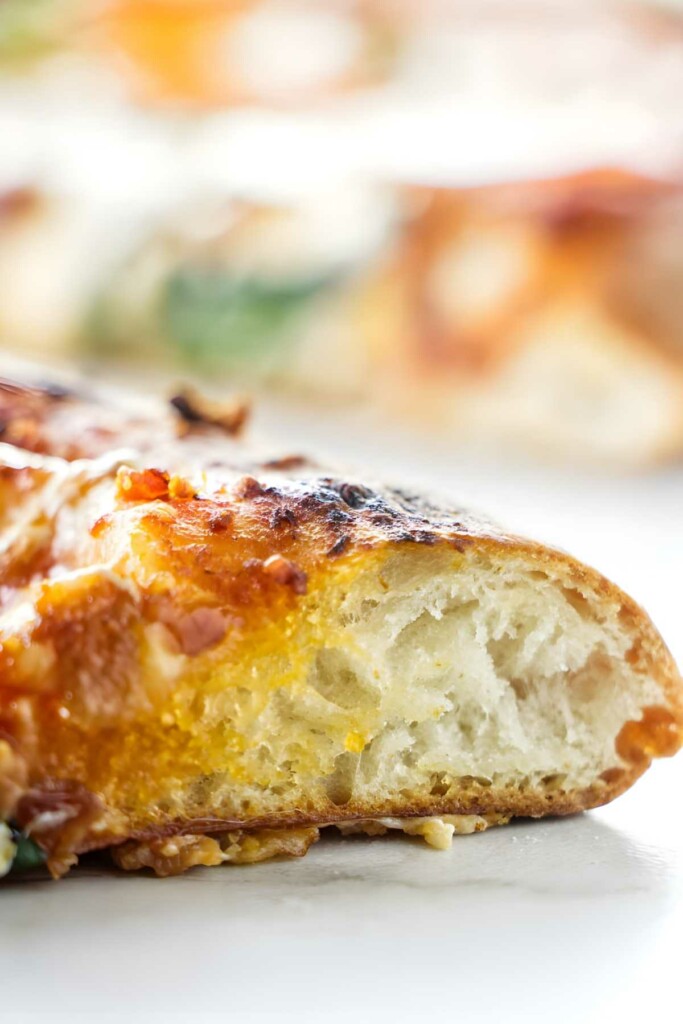
Quick pizza dough doesn’t have to mean bland or boring. This one comes together fast, holds its shape like a champ, and bakes up with that proper chewy texture and crisp edges you actually want.
No gimmicks, no mystery ingredients, just dependable dough that’s easy to work with and ready in about 30 minutes. Roll it out for dinner tonight or stash a few portions in the freezer for later. Either way, this quick pizza dough recipe delivers without the long wait.
Here is Why This Quick Pizza Dough Recipe Works
I developed this quick pizza dough for the nights when homemade pizza sounds good, but waiting around for dough to rise does not.
The shortcut is Quick-Rise yeast or RapidRise yeast, which gets the dough ready to shape in about 15 minutes instead of the usual long rise. It still gives you a real pizza crust, not a sad little cracker pretending to be dinner.
I tested this dough with bread flour, all-purpose flour, and pizza flour, and they all work. Bread flour gives the chewiest bite, all-purpose keeps things simple, and pizza flour gives the crust a softer, more classic pizzeria-style texture.
The dough is easy to handle, holds its shape well, and bakes up with crisp edges and a chewy center. It is sturdy enough for toppings without turning floppy, which is non-negotiable if you ask me.
I also like that it freezes well. Make a full batch, freeze what you do not need, and future-you gets homemade pizza without starting from scratch.
What Type of Flour Should I Use for Pizza Dough?
I’ve made this dough with all-purpose flour, bread flour, and ’00’ pizza flour, and honestly, they all make good pizza. The biggest difference is in the texture of the crust.
- All-purpose flour gives you a crust that’s a little crispier with just enough chew. It is probably the easiest option since most people already have it in the pantry.
- Bread flour has a higher protein content, so the dough develops more gluten. That gives the crust a chewier texture with a little more stretch and puff around the edges.
- ’00’ pizza flour is very finely milled and makes a softer, more elastic dough that stretches beautifully. The crust ends up with that crisp-meets-chewy texture you usually expect from pizzeria-style pizza.
I usually tell people not to overthink the flour too much. Use what you have and work with the texture you like best. This dough is pretty forgiving, and each flour brings something a little different to the crust. For a deeper breakdown, see my guide to pizza flour vs. bread flour.

Recipe Tips
Use warm water: Aim for around 110°F to speed up the activity of the yeast and get a fast rise.
Use a kitchen scale if you’ve got one: Measuring by weight is far more accurate, especially with flour, which can vary a lot by volume.
Start with less flour: It’s easier to fix sticky dough than to rescue a dry brick. Add more only as needed.
Oil your hands: Sticky dough clings to dry hands. A little olive oil makes shaping way easier (and adds a bit of flavor, too).
Warm it up: Cold kitchens slow everything down. Let the dough rise somewhere warm to speed things up and improve texture.
Let the dough rest: Even a 10-minute bench rest helps the gluten relax, so the dough stretches without snapping back.
Skip the rolling pin for bubbly crust: Use your hands to stretch the dough if you want those nice air pockets
Use parchment : Keeps the crust from sticking and makes cleanup easier.
Pro tip: If you’re using a baking steel or stone, let it preheat for at least 30 minutes for the best bottom crust.
Don’t overload the toppings: Too much sauce or cheese = soggy crust and sad pizza night.
I usually use Quick-Rise or RapidRise yeast for this dough because it cuts the rise time down to about 15 minutes. Standard instant yeast still works well, but the dough will take longer. That faster rise time is what makes this a true quick pizza dough.
You can also use this pizza dough to make homemade stromboli or calzones.
What Can You Make With This Dough?
This dough is not just for plain pizza night, although that is usually where it starts. It works well for saucy pizzas, calzones, stromboli, and other recipes that need a sturdy homemade crust.
Use it for my 4 cheese white pizza, cheesy pizza dough breadsticks, or quick flatbreads. I’ve also had readers use it for stromboli with good results because the dough is sturdy enough to roll, fill, and bake without turning into a soggy mess.
Pizza Sauce Ideas
Once the dough is ready, you can keep it classic with a fresh tomato pizza sauce or go with white sauce for pizza if you want a white pizza situation. Both work well with this crust, and neither one requires turning dinner into a project.
Answers to Common Dough Dilemmas
Yes, but even a short 10 to 15 minute rest helps. It gives the gluten time to relax so the dough stretches more easily, and it gives the yeast a head start for a better oven rise. If you skip the rest, the crust will not have quite the same texture.
RapidRise and Quick-Rise yeast are designed to work faster than standard instant yeast. They can get the dough ready to shape in about 15 minutes instead of 30 to 60.
Regular instant yeast still works well in this recipe, it just needs more time. Active dry yeast also works, but it should be proofed in warm water first.
Too much flour is usually the culprit. Sticky dough is easier to fix than dry dough, so add flour gradually and stop once the dough is manageable.
If the dough keeps springing back while you stretch it, let it rest for another 10 minutes. The gluten needs time to relax.
Yes. After the short rest, coat the dough lightly with olive oil and refrigerate it in a covered container for up to 3 days.
The slow cold rise actually improves the flavor, so this is a good option if you want to prep ahead.

Storing and Freezing the Dough
Extra dough keeps well, which is one of the reasons I like making a full batch. Lightly coat the dough with olive oil before storing so it does not dry out.
- Refrigerate: Store the dough in a covered container or zip-top bag for up to 3 days.
- Freeze: Wrap each dough ball tightly in plastic wrap, then place it in a freezer bag with the air pressed out. Freeze for up to 3 months.
To thaw: Thaw the dough overnight in the refrigerator, then let it sit at room temperature for 20 to 30 minutes before shaping. This makes it easier to stretch without fighting you the whole way.

For more pizza dough recipes, try my sourdough pizza dough and my Ooni pizza dough with a lower hydration.
Reliable Homemade Pizza Dough
Quick pizza dough should be fast, reliable, and still taste like real pizza. This one delivers with crisp edges, a chewy center, and a short rise time that doesn’t sacrifice texture. It’s flexible enough for weeknights, freezer prep, or last-minute pizza plans, with no special flour or drama required. Once you see how easy it is, store-bought dough won’t stand much of a chance.
Add an Italian chopped salad on the side and dinner is handled.
Pin this now to find it later!
Pin It
Quick Pizza Dough
If you make this recipe, please leave a star rating and comment.
Video
Ingredients
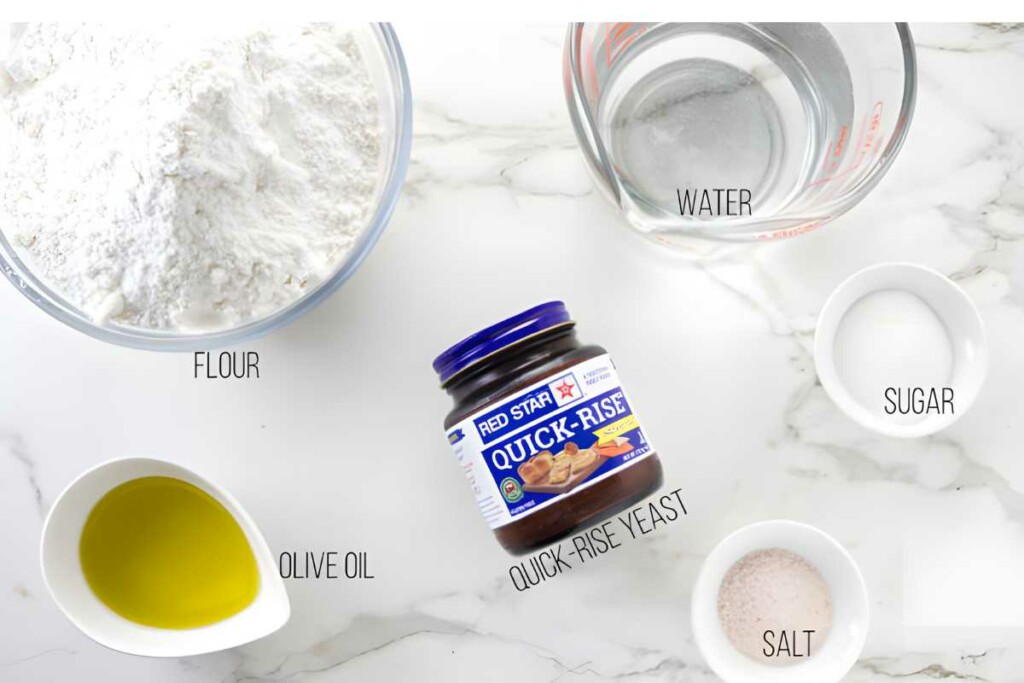
- 4 to 4½ cups all-purpose flour, pizza flour, or bread flour (480 to 540 grams)
- 1 tablespoon granulated sugar, (13 grams)
- 2 teaspoons salt, (12 grams)
- 2¼ teaspoons Quick Rise Instant yeast, (7 grams or 1 packet)
- 1½ cups water, warm; (354 grams)
- 3 tablespoons olive oil, (39 grams)
Instructions
- Preheat the oven to 450°F if you plan to bake a pizza (otherwise you can freeze the dough after you make it).
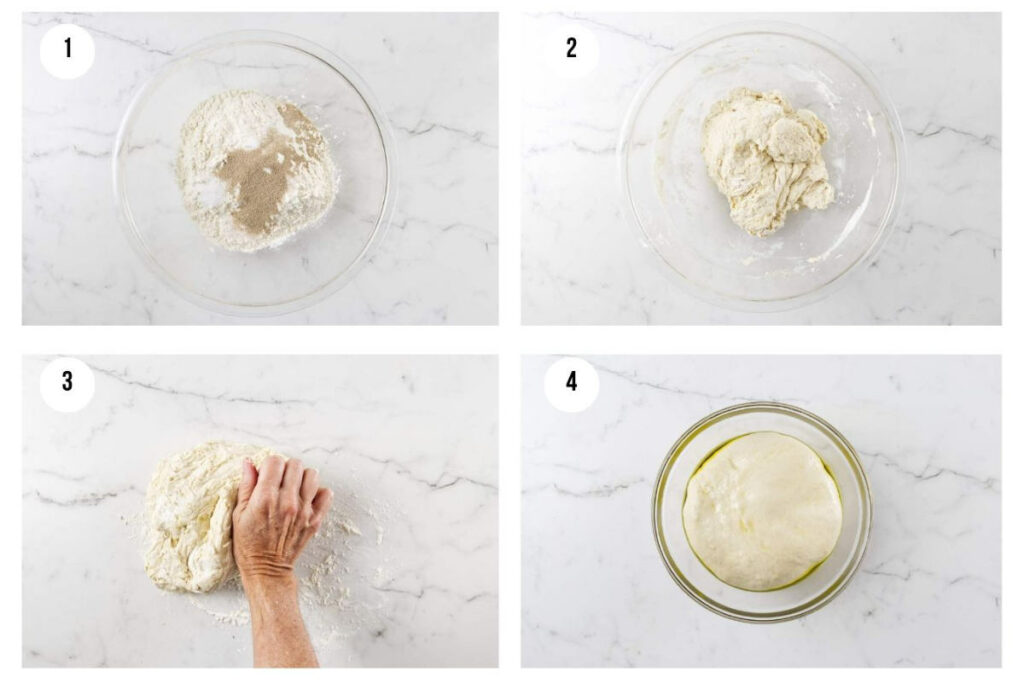
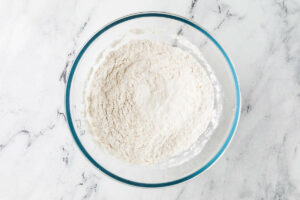
- Combine 4 cups of flour, sugar, salt, and yeast in a mixing bowl and whisk together.
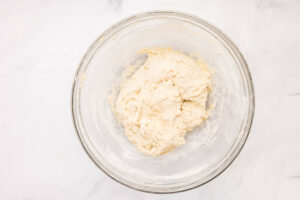
- Add the water and olive oil. Mix until blended. If it is too wet, gradually add enough flour to make a soft dough. The dough should be slightly sticky.
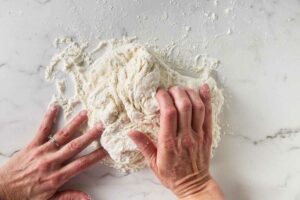
- Transfer the dough to a floured surface and knead until smooth, about 5 minutes (you can also use your stand mixer with a dough hook).
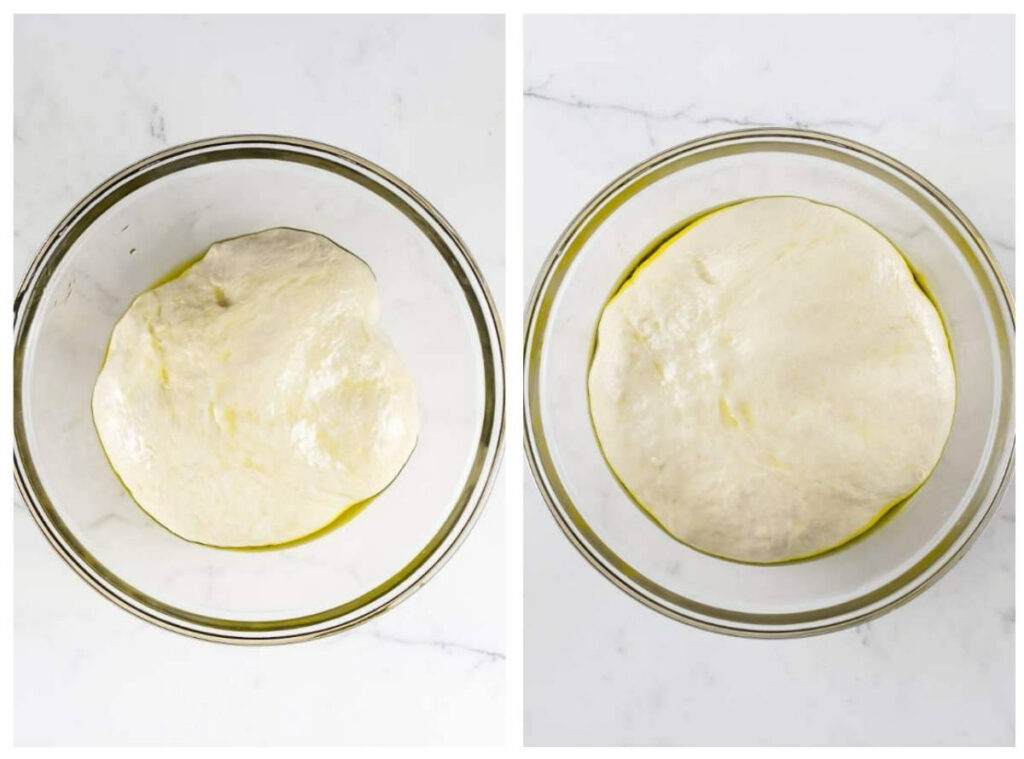
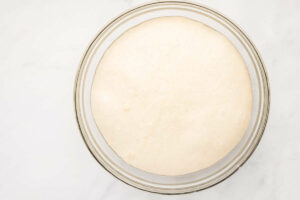
- Place the dough in a greased bowl and let it rest on the counter for 10 to 15 minutes if you use Quick Rise instant or for 60 to 90 minutes if you use standard instant yeast. The dough should almost double in size.
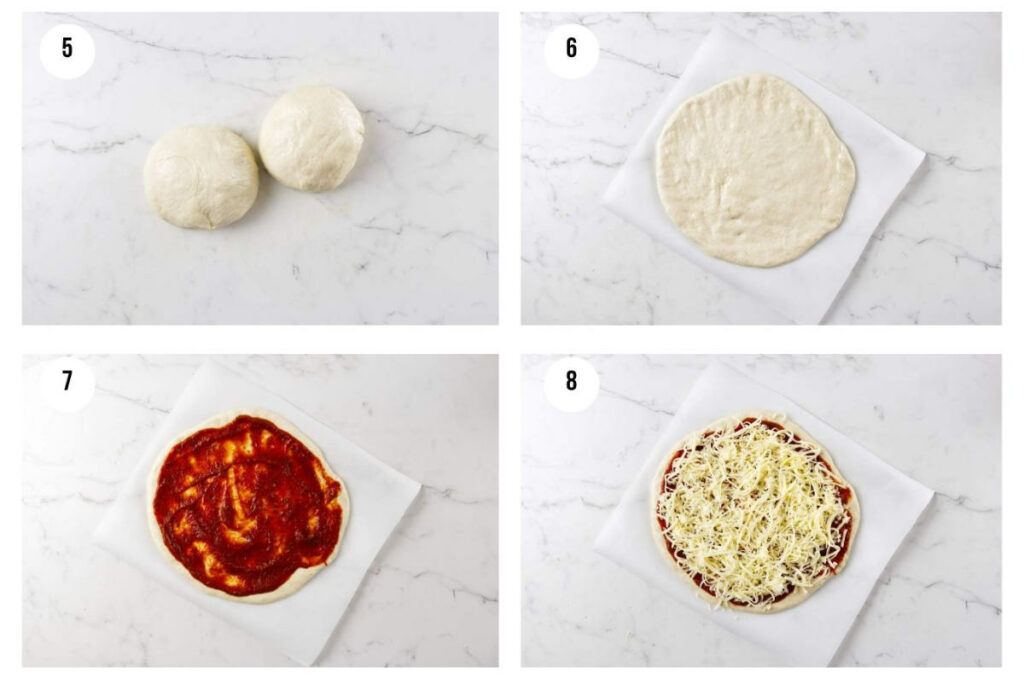
- Divide the dough into two balls.
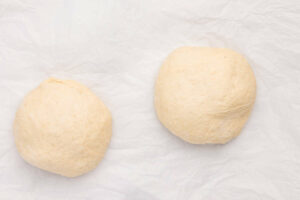
- At this point, you can either freeze the dough or prep it for a pizza.
To freeze the dough:
- Coat each ball of dough in some olive oil. Wrap the dough in plastic wrap then slide it into a zipper-seal bag.
- Squeeze all the air out of the bag then freeze if for up to 3 months.
To Bake the pizza:
- Roll the balls of dough into 10 to 12” circles and place them on a sheet of parchment paper (or press them into a greased sheet pan). Form a rim around the pizza dough by rolling the edges in and pinching.
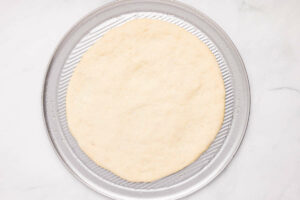
- Spread pizza sauce on the dough and add your desired toppings.

- Bake for 12 to 15 minutes until the edges are golden brown and the cheese is bubbly (a thicker crust will need to bake for 20 to 22 minutes).
Notes
Nutrition
Nutrition information is automatically calculated, so should only be used as an approximation.
 Like this recipe? Rate & comment below!












Did the water need to be warm. Recipe fails to say that. Dough didn’t rise. 👎🏻
Thanks for pointing that out! Warm water isn’t necessary for yeast to activate, it can still work with cooler water, but the dough may take longer to rise. That said, using warm water (around 105°F to 110°F) does help speed things up, so I’ll update the recipe to include that. If your dough didn’t rise, it’s possible that the yeast may not be active. To check, you can proof your yeast next time by mixing it with a little warm water and sugar before adding it to the dough. If it bubbles, it’s good to go! I hope this helps.
I’m so thankful for this recipe. I never liked anything with yeast. I never have the time to wait. This is perfect and the taste is amazing! I surprised my husband and myself.
Thank you so much for your kind comment! It’s great to know this one worked perfectly for you and didn’t take up too much time.
It was sooo good! I might’ve kept it thick so I had to cook it extra but definitely worth the time!
I’m so glad you enjoyed it. Thanks for the comment.
Hi, I guess I should have read the note, but I made the dough with the same amount of regular yeast instead of rapid rise. Is my dough still gonna turn out okay??
No worries at all, your dough should still turn out fine as long as your yeast is active! The main difference is that regular yeast takes a bit longer to activate compared to rapid rise yeast, so you might need to let your dough rise a little longer.
Super easy to make. The instructions are clear and to the point. I made this on a whim and as soon as the last bite of pizza was eaten, my husband says ‘can you make that again? It was soo good!’ So the biggest of compliments.
Thank you for sharing.
Thank you for your comments and the 5-star rating, Samantha! I am so happy that you and your husband enjoyed the pizza!
Just made the dough! Havent baked it yet. Can you leave the dough is the fridge for the next day?
Yes, you can do that. Thanks for asking. If you are going to leave it longer than a day, I recommend freezing the dough.
Crust had really good flavor! I used the quick rise yeast and I was confused if I was supposed to let rest in bowl coated with oil or not? Also would I just roll out thinner for thin and crispy crust? Thank you !
Thank you, I’m so glad you enjoyed the flavor of the crust!
If you’re using Quick Rise yeast, you only need to let the dough rest for 10–15 minutes after placing it in a greased bowl. It’s not a long proofing time, just enough for the dough to relax and be easier to work with. For a thinner, crispier crust, you can absolutely roll the dough out thinner! Just keep an eye on it while baking, as a thinner crust will cook faster. Hope that helps!
@Dahn Boquist,
Thank you!! 😊
Easy recipe! I made the dough in my bread maker and used active yeast (rather than quick) and it turned out great. Just make sure you add the ingredients to your bread maker in the recommended order from the manufacturer!
Glad to hear it turned out great for you! Thanks for sharing your tips!
I find the bad reviews hilarious; who would think a half cup of water and four cups of flour would make a dough??? Honestly you shouldn’t be allowed near an oven if you can’t work that out
Thanks for the comment. 🙂
I make a lot of pizza at my house and this is by far the best one of used and the only one from here on in.
Thank you
Thank you so much. I’m thrilled to hear that, it really means a lot.