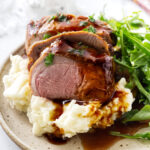
Honey Garlic Pork Tenderloin
Honey garlic pork tenderloin is tender, juicy, and coated in a sweet and savory sauce with fresh garlic, ginger, and a touch of tangy vinegar. The pork is seared, finished in the oven, and served with a glossy honey garlic sauce made right in the same skillet. An easy dinner that's delicious over rice or mashed potatoes.
Servings: 6 servings
Ingredients
Pork and seasoning
- 2 pork tenderloins about 1 pound each, silver skin removed
- 1 tablespoon olive oil
- 1 teaspoon Kosher salt adjust for salt brand
- ½ teaspoon ground black pepper
- ½ teaspoon smoked paprika
- 1 teaspoon garlic powder
Honey garlic ginger sauce
- ½ cup honey
- ⅓ cup soy sauce
- 3 tablespoons apple cider vinegar
- 6 garlic cloves minced
- 2 tablespoons grated fresh ginger
- ¾ cup chicken broth
- 2 teaspoons cornstarch mixed with 1 tablespoon cold water
Instructions
- Preheat the oven to 425°F. Remove the silver skin from the pork tenderloins and pat them dry with paper towels.
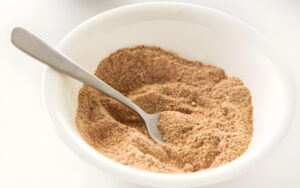
- Combine the salt, pepper, smoked paprika, and garlic powder in a small bowl. Rub the seasoning mixture evenly over the pork tenderloins.
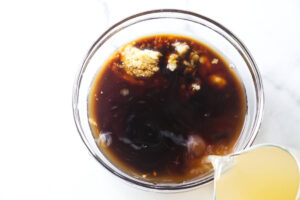
- In a separate bowl, whisk together the honey, soy sauce, apple cider vinegar, minced garlic, grated ginger, and chicken broth. Set aside.
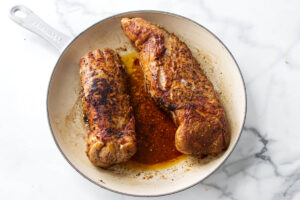
- Heat the olive oil in a large oven-safe skillet over medium-high heat. Add the pork tenderloins and sear for 5 to 6 minutes, turning occasionally, until browned on all sides.
- Transfer the skillet to the preheated oven and roast for 10 to 15 minutes, or until an instant-read thermometer inserted into the thickest part of the pork registers 145°F.
- Transfer the pork to a cutting board, tent loosely with foil, and let rest for at least 3 minutes while you prepare the sauce.
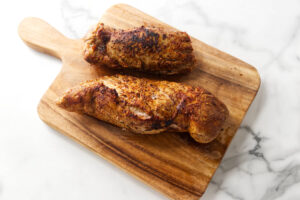
- Return the skillet to the stovetop over medium heat. Carefully pour in the honey garlic sauce and scrape up the browned bits from the bottom of the skillet. Bring to a simmer and cook for 3 to 5 minutes, stirring occasionally, until the sauce reduces slightly.
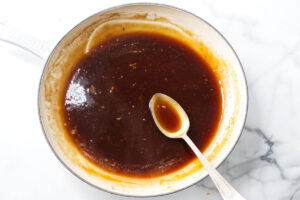
- For a thicker sauce, stir together the cornstarch and cold water, then whisk the mixture into the simmering sauce. Cook for another 30 to 60 seconds, or until thickened. Remove from the heat and stir in the butter.
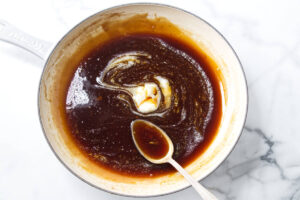
- Slice the pork tenderloins into ½-inch-thick medallions. Spoon the sauce over the sliced pork and serve.
Notes
Use pork tenderloin, not pork loin. Pork tenderloins are long, narrow cuts that typically weigh about 1 pound each. A pork loin roast is much larger and requires a different cooking time.
Adjust the cooking time as needed. The thickness of the tenderloins will affect how quickly they cook. Start checking the internal temperature early to avoid overcooking. Remove the pork when the thickest part reaches 145°F, then let it rest for at least 3 minutes before slicing.
Watch the salt. Soy sauce adds quite a bit of salt to the sauce. Use low-sodium soy sauce if you prefer more control over the seasoning. Diamond Crystal and Morton kosher salts also measure differently by volume, so adjust the salt in the dry rub accordingly.
Don't waste the browned bits. After roasting the pork, use the sauce to loosen the browned bits stuck to the bottom of the skillet. They add flavor to the sauce. If any drippings have burned, carefully wipe those out before adding the sauce.
Adjust the sauce consistency. The cornstarch slurry is optional. Leave it out for a thinner sauce or add it for a thicker glaze that clings to the sliced pork. The sauce will thicken a little more as it cools.
Storage and reheating: Refrigerate leftover pork and sauce in an airtight container for up to 3 to 4 days. Reheat gently with a splash of chicken broth to keep the pork from drying out.
Nutrition
Serving: 1 | Calories: 855kcal | Carbohydrates: 27g | Protein: 127g | Fat: 24g | Saturated Fat: 7g | Polyunsaturated Fat: 4g | Monounsaturated Fat: 10g | Trans Fat: 0.2g | Cholesterol: 394mg | Sodium: 1534mg | Potassium: 2463mg | Fiber: 0.4g | Sugar: 24g | Vitamin A: 96IU | Vitamin C: 1mg | Calcium: 50mg | Iron: 6mg
