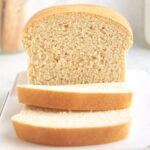
White Sandwich Bread
Soft white sandwich bread made with butter, dry milk powder, and potato flakes for a tender crumb that stays soft for days. It slices cleanly, holds together well, and makes a reliable loaf for sandwiches, toast, or everyday bread.
Servings: 12 servings
Ingredients
- 3 ¼ to 3 ½ cups all-purpose flour or bread flour, 390 to 420 grams
- ¼ cup dry milk powder 28 grams
- ¼ cup potato flakes 21 grams
- 3 tablespoons granulated sugar 37 grams
- 2 ¼ teaspoons instant yeast (1 packet; 7 grams)
- 1½ teaspoons salt 9 grams
- ⅔ cup water warm, 160 grams
- ⅔ cup milk warm, 160 grams
- 5 tablespoons butter melted, 71 grams
Instructions
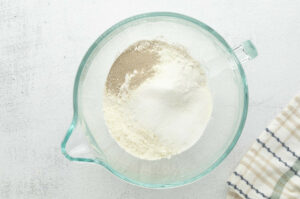
- Mix the dough: In a large bowl or the bowl of a stand mixer, combine 3 ¼ cups of the flour, dry milk powder, potato flakes, sugar, and yeast. Stir well to distribute the yeast, then stir in the salt.
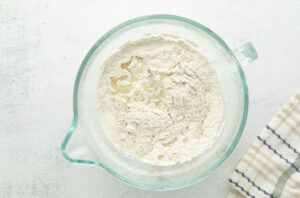
- Add the warm water, milk, and melted butter and mix until incorporated.
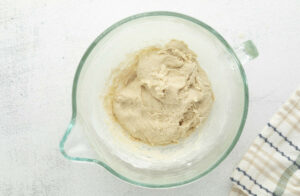
- Adjust with flour: Continue mixing, adding additional flour 1 to 2 tablespoons at a time, until the dough is soft and smooth. It should feel slightly tacky but not sticky and pull away from the sides of the bowl. Avoid adding more flour than needed, as too much can make the bread dense.
- Knead: Knead using a stand mixer fitted with the dough hook (or by hand) until the dough is smooth and elastic, about 6–8 minutes in a mixer or 8–10 minutes by hand. The dough should hold together easily and stretch without tearing.
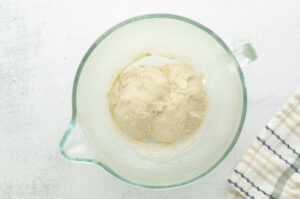
- First rise: Transfer the dough to a lightly greased bowl, cover, and let it rise until almost doubled, about 1 to 2 hours. When gently pressed with a fingertip, the indentation should slowly fill back in but not spring back right away.
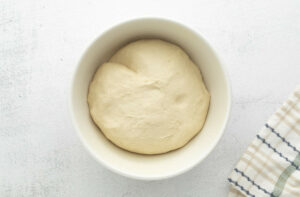
- Shape: Gently deflate the dough and turn it out onto a lightly oiled work surface. Shape into an log and place the dough in a lightly greased 9 × 5-inch loaf pan.
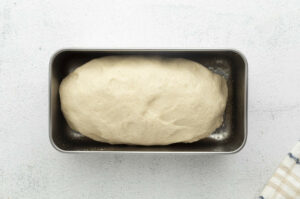
- Second rise: Cover loosely and let rise for about about 60 minutes, until the dough almost doubles in size. A fingertip pressed into the dough should leave an indentation that slowly springs back and remains slightly visible.
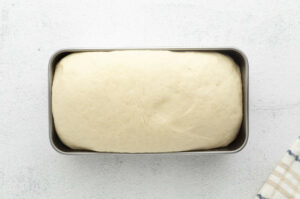
- Bake: Toward the end of the rise, preheat the oven to 350°F. Bake for 34–40 minutes, until golden brown. Remove from the pan and cool completely on a rack before slicing.
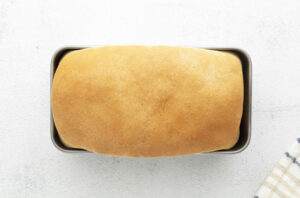
Notes
Scaling note: When using the 2× button to double this recipe, do not double the yeast. For a double batch, use 3 teaspoons of yeast, even though the ingredient list will show more.
About the ingredients: Dry milk powder improves tenderness and helps the bread stay soft longer without changing hydration. A small amount of potato flakes improves moisture retention and helps the bread stay soft for several days.
Potato flakes: Use plain, unseasoned instant mashed potato flakes. Do not use flavored potato flakes.
Milk and water temperature: Use warm, not hot, liquids (about 100–110°F). Hot liquids can kill the yeast.
Flour options: All-purpose flour produces a soft, tender loaf. Bread flour will give the bread slightly more structure and chew.
Dough texture: If the dough feels sticky after kneading, add flour a tablespoon at a time until it’s soft and slightly tacky, not sticky.
Checking doneness: The bread is done when it’s golden brown and sounds hollow when tapped on the bottom after removing it from the pan. If using an instant-read thermometer, the internal temperature should read 190°F.
Store at room temperature in a plastic bag for several days, or freeze for longer storage.
Freezing: Let the bread cool completely, then wrap tightly and freeze for up to 2 months.
Nutrition
Serving: 1 serving | Calories: 92kcal | Carbohydrates: 9g | Protein: 3g | Fat: 5g | Saturated Fat: 3g | Polyunsaturated Fat: 0.2g | Monounsaturated Fat: 1g | Trans Fat: 0.2g | Cholesterol: 15mg | Sodium: 350mg | Potassium: 105mg | Fiber: 1g | Sugar: 5g | Vitamin A: 222IU | Vitamin C: 1mg | Calcium: 52mg | Iron: 0.2mg
