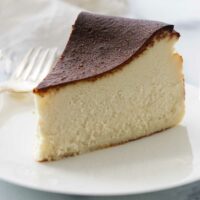
San Sebastián Cheesecake
San Sebastian cheesecake is a crustless cheesecake with a deeply browned top and a soft, creamy center. It's baked at high heat without a water bath for its characteristic caramelized exterior.
Servings: 10 Servings
Ingredients
- 32 ounces cream cheese room temperature
- 1 ½ cups granulated sugar 300 grams
- ¼ cup all-purpose flour 30 grams
- 1 tablespoon vanilla extract
- ½ teaspoon salt
- 5 large eggs room temperature
- 1 egg yolk
- 1 ½ cups heavy cream
Instructions
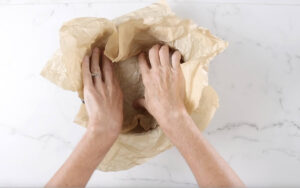
- Preheat the oven to 400°F. Line a 9-inch springform pan with two overlapping sheets of damp, crumpled parchment paper, arranging them in opposite directions so the bottom and sides are completely covered.
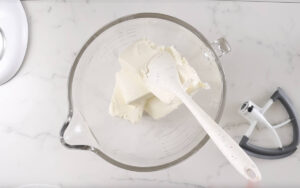
- In the bowl of a stand mixer fitted with the paddle attachment, or in a large mixing bowl with a handheld mixer, beat the cream cheese on medium speed until smooth and creamy.
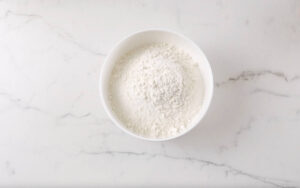
- In a separate bowl, whisk the sugar and flour together until the flour is evenly distributed throughout the sugar.
- With the mixer on medium-low speed, gradually add the sugar and flour mixture to the cream cheese. Mix until smooth and well combined, stopping to scrape the bottom and sides of the bowl as needed.
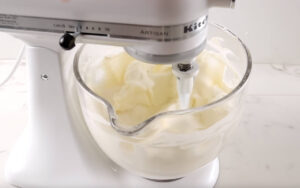
- Add the salt and vanilla extract and mix on low speed until combined.
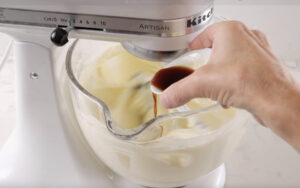
- With the mixer on low speed, add the eggs one at a time, followed by the egg yolk, mixing just until each addition is incorporated. Stop occasionally to scrape the bottom and sides of the bowl.
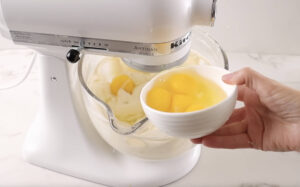
- With the mixer on low speed, slowly pour in the heavy cream and mix just until smooth and fully incorporated. Scrape the bottom and sides of the bowl as needed.
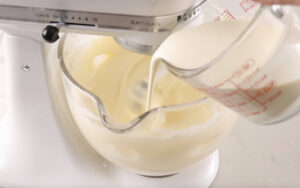
- Pour the batter into the prepared pan and tap the pan firmly on the countertop a few times to bring any air bubbles to the surface.Bake for about 48 to 55 minutes, or until the top is deeply browned and the cheesecake is puffed, especially around the edges. The center should still jiggle when you gently move the pan. If using an instant-read thermometer, the center should register 152°F to 158°F.
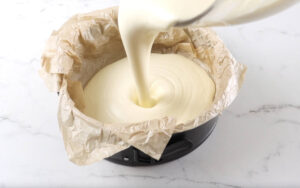
- Transfer the cheesecake to a wire rack and let it cool in the pan for 1 to 2 hours. Refrigerate, still in the pan, for at least 6 hours or overnight before serving.
- For the creamiest texture, let the cheesecake stand at room temperature for about 1 hour before serving. For clean slices, use a thin, sharp knife dipped in hot water and wiped dry between each cut.
Video
Notes
Parchment paper: Dampening and crumpling the parchment makes it softer and easier to fit into the pan. Don't worry about getting it perfectly smooth, the wrinkles are characteristic of Basque cheesecake.
Room-temperature ingredients: For the smoothest batter, bring the cream cheese and eggs to room temperature before mixing.
Air bubbles: After pouring the batter into the pan, tap it firmly on the countertop a few times to bring trapped air bubbles to the surface. Prick any large bubbles with a toothpick.
Browning: The deeply browned top is characteristic of Basque cheesecake. Check it toward the end of baking, and if it is getting darker than you prefer, loosely lay a sheet of parchment over the top.
Recipe inspired by Bon Appetit.
Nutrition
Serving: 1 serving | Calories: 143kcal | Carbohydrates: 4g | Protein: 7g | Fat: 11g | Saturated Fat: 6g | Polyunsaturated Fat: 4g | Cholesterol: 136mg | Sodium: 219mg | Sugar: 1g
